
Today coercion is much more prevalent globally in pronatalist policies that increase population size than it is in family planning policies that decrease fertility and limit population. For this and other reasons, the ‘pro-life’ movement is often anti-life in its consequences.
by Jan Greguš, Masaryk University, Czech Republic
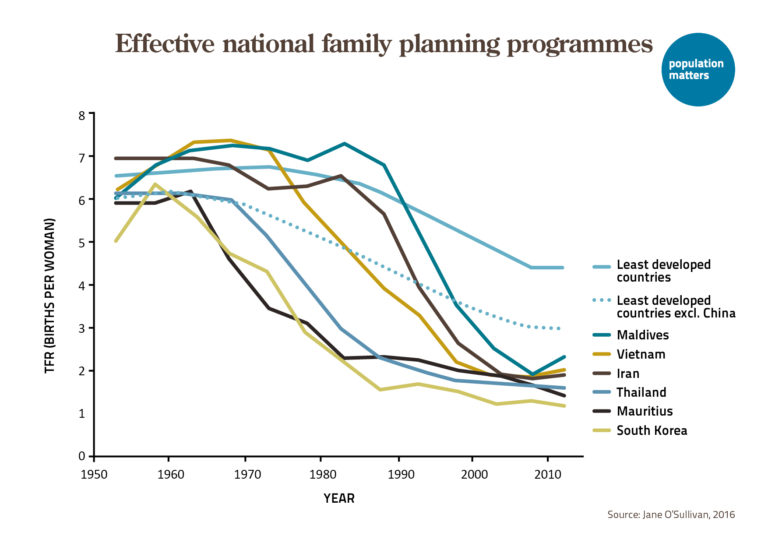
When discussing population policies, many worry about coercion. However, coercion is today much more prevalent in efforts to increase rather than decrease population. The latter (forced sterilisations in India 1975-77 and coercion during China’s ‘One Child Policy’) has been subject to frequent and justified criticism. These missteps compromised well-meant and ethical attempts to slow the era’s rapid population growth and adjust population to sustainable numbers. Most measures promoted by family planning efforts can be morally justified – achieving full accessibility of contraception [1], education and empowerment, environmental education, and reproductive ethics of smaller families to lessen the pressure on the environment [2].
Pronatalism or the ‘pro-life movement’, although globally applied, nurtured, and backed up by culture and religion [3,4], has not been subject to much criticism. Except for anti-abortion efforts, it works subtly, and thus goes frequently undetected. Neil Datta’s Tip of the Iceberg documents some of these pronatalist policies, and the political and religious structures standing behind them [5].
The Content of ‘Pro-life’
The pro-life movement is also known as the ‘right-to-life’ movement, a position clustering together supporters who claim to protect human life from conception to natural death. In the mid-20th century, the original and unifying theme was opposition to abortion. In due time, however, new themes started to show up and the movement absorbed them, namely opposition to euthanasia and to research and use of embryonic stem cells, thus the name ‘pro-life’ movement. Other themes include family protection (family understood as traditional, patriarchal and heterosexual), and animosity towards modern contraception and support of ‘natural’ family planning methods. Sometimes, but not usually, opposition to the death penalty and pacifism also come under this position.

The main activity of the pro-life movement is working to legally prohibit abortion, the focus of about 95% of its efforts in the USA and Europe. Other activities include educational and cultural actions, extensive social programs to support mothers in need, adoption programs and hospice care. They also include protest and coercive actions, and political lobbying. Unfortunately, this movement also includes the frequent and systematic spread of prejudice, misinformation and lies concerning reproduction, pregnancy, contraception and abortion.
Arguments Against ‘Pro-life’
At least four arguments can be raised against the ‘pro-life’ movement. First, it frequently leads to ‘anti-life’ acts, as when supporters commit violent acts towards abortion providers, from physical insults to murder. Well-known is the murder of the American physician George Tiller, who had faced repeated oppression from ‘pro-life’ groups. In 1986, his abortion clinic was firebombed. In 1993, he was shot in both arms by ‘pro-life’ activist Shelley Shanno. Finally, in 2009, he was shot in the head by ‘pro-life’ activist Scott Roeder during a Sunday morning sermon in a Wichita church, where he served as an usher. Other acts of ‘pro-life’ supporters are arson and bomb attacks on abortion clinics.
Opponents can object that most supporters and ‘pro-life’ organizations condemn violence. This objection could be partially accepted because it is impossible to judge and condemn a movement based on acts of a few individuals. However, although mainstream ‘pro-life’ organizations officially condemn violence, they often implicitly support it through overheated rhetoric, and some marginal radical groups do so openly. The most notable are the infamous Nuremberg Files website [6], which assembled personal information (home addresses, phone numbers, and photographs) on abortion providers in the USA, celebrated providers’ deaths and encouraged others to harm the remaining providers on the list so that more names could be crossed off. Violence, including murder, thus becomes a direct consequence of the language of supporters of the ‘pro-life’ position, which strongly undermines its supposed commitment to protecting life.
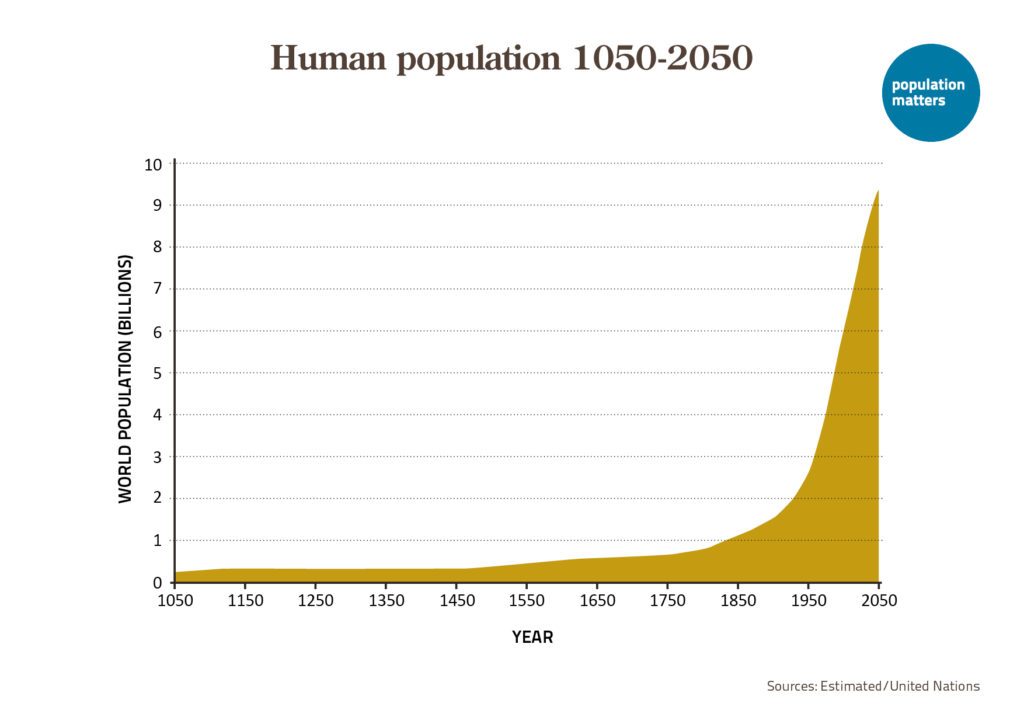
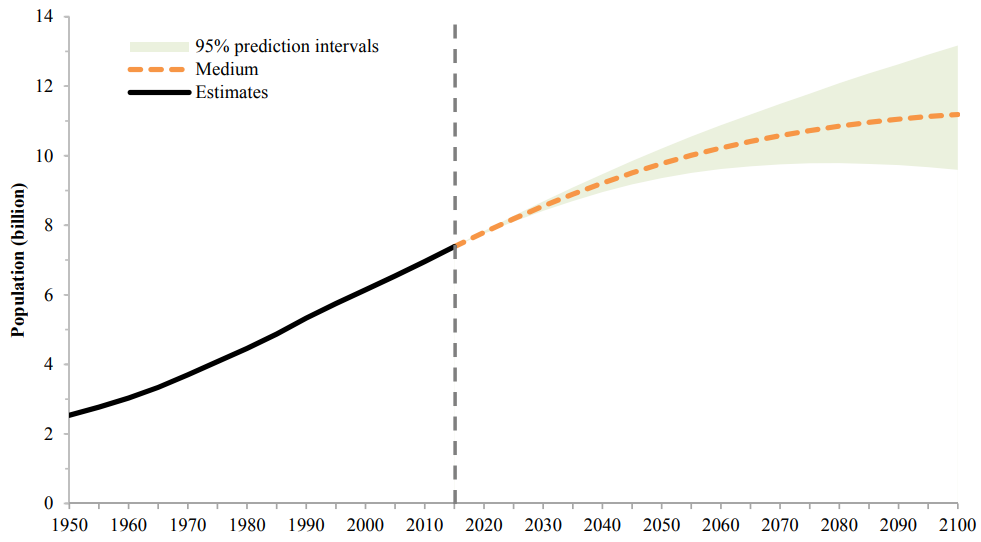
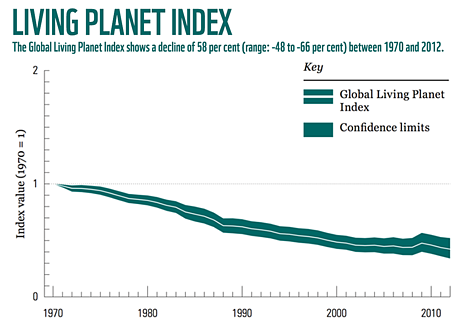
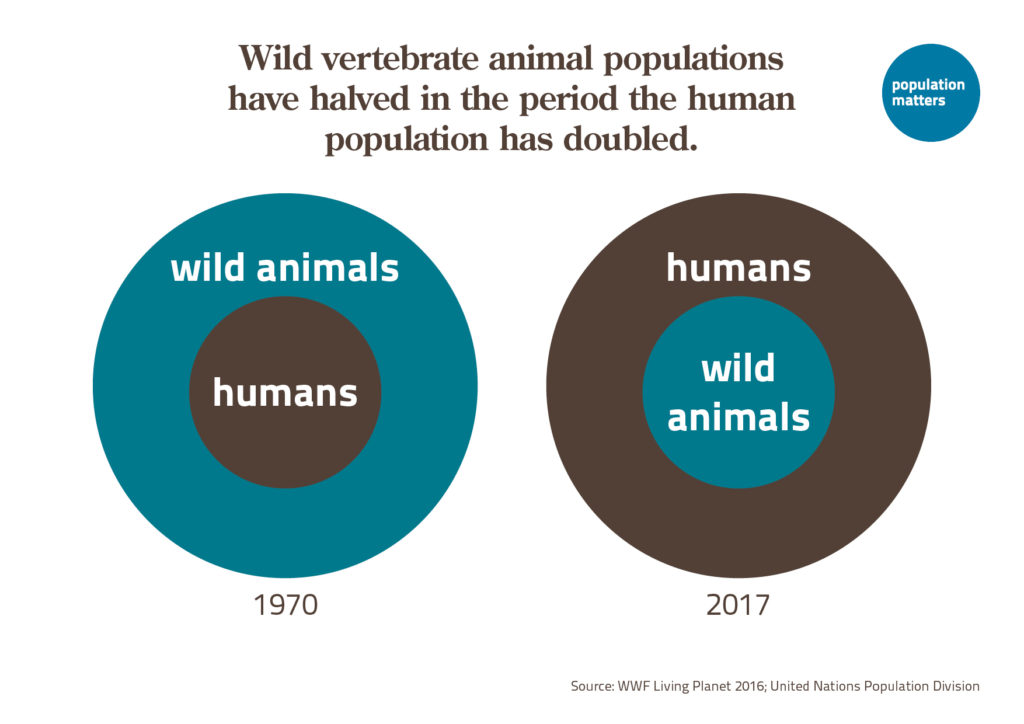
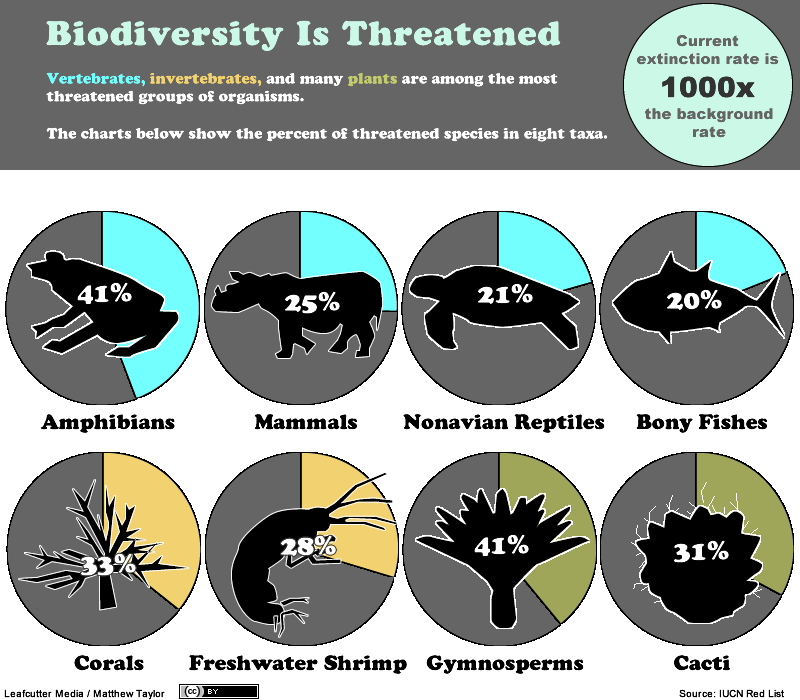
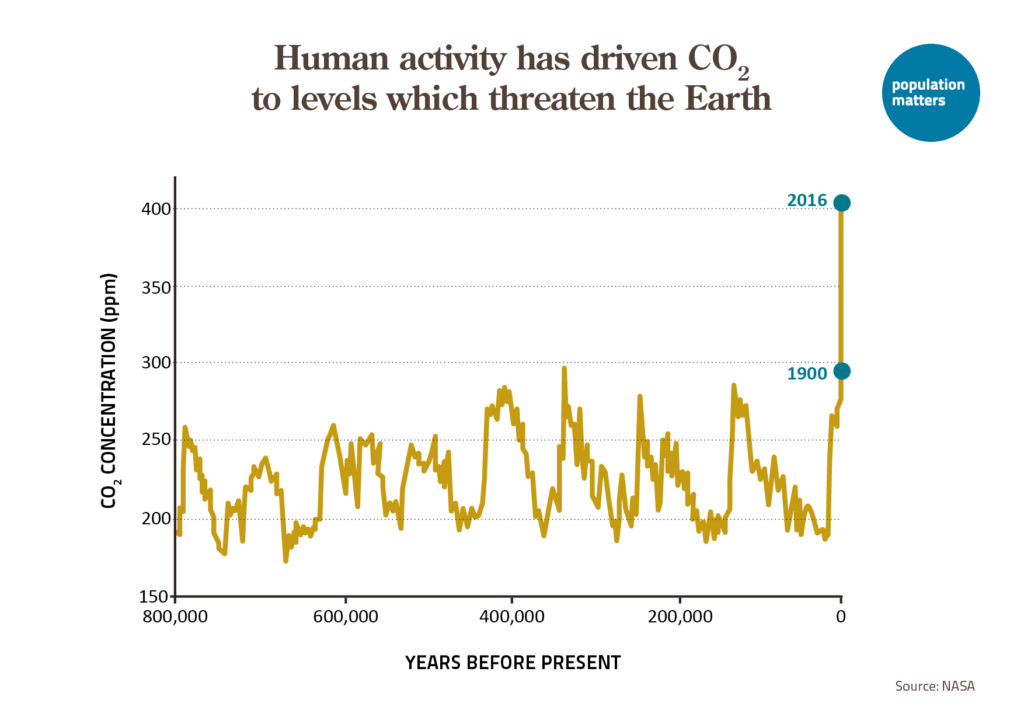
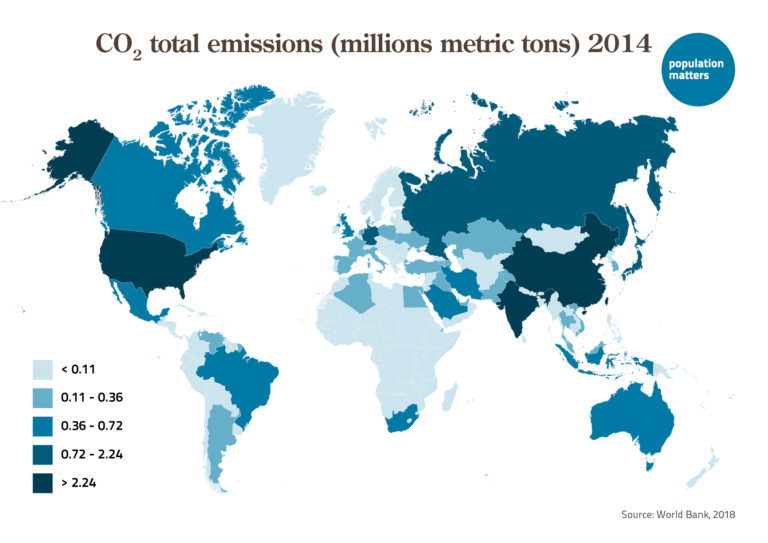
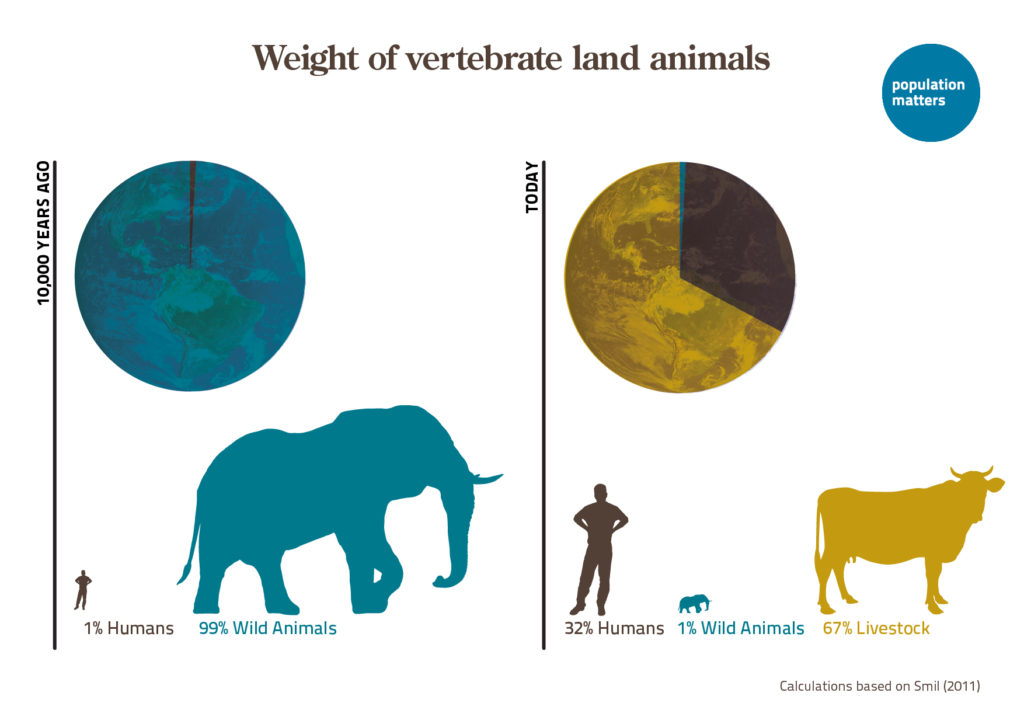
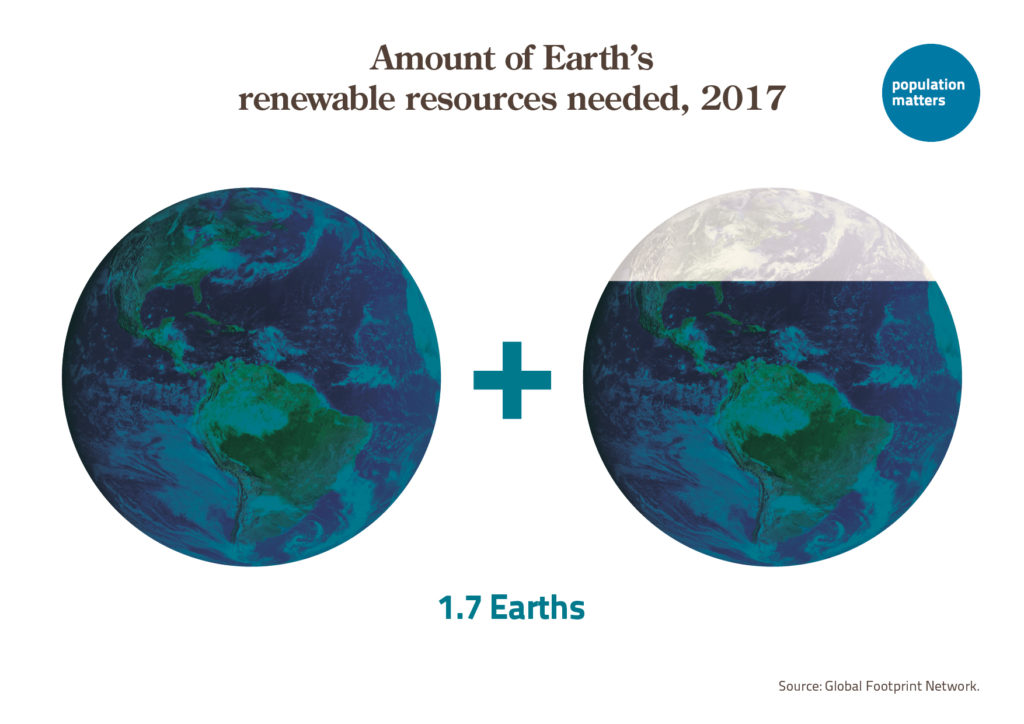
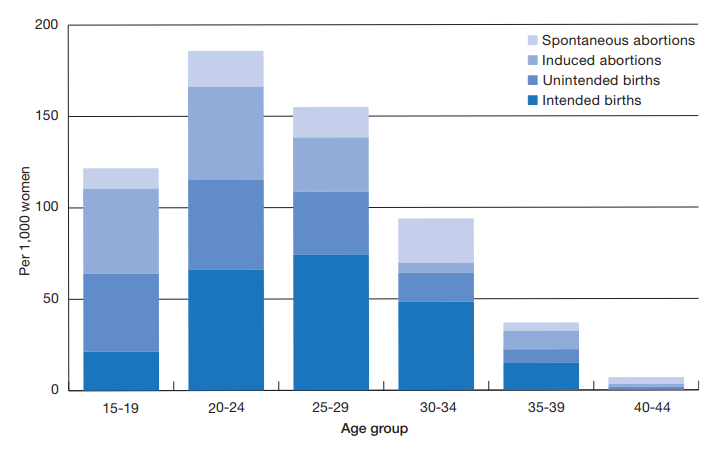
Second, another argument for why ‘pro-life’ is not ‘pro-life’ is that contraception and abortion bans or restrictions lead to unwanted and unplanned pregnancies. These significantly contribute to population growth. A steep increase in the human population (alongside increased per capita human production and consumption) is fueling a mass extinction among Earth’s wild species [7,8]. Thus, the ‘pro-life’ position leads to ‘anti-life’ consequences for many living beings. It is helping reduce a vibrant and diverse world to a dull and depauperate one.
Opponents can object here that the ‘pro-life’ position favours human life, which is what really matters. But this should be rejected for its arrogance and anthropocentrism, and for inconsistency, because in its name there is no mention of this selectivity, or that some lives matter more than others. For example, the lives of yet-unborn children matter more than the lives of abortion providers, or the lives of people, but not the lives of other species. As Philip Cafaro and many others emphasize, other species’ lives also matter, and they also have a right to existence [9], not least because of millions of years of evolution and existence before us on this planet.
I also reject this objection from a Christian perspective, as most ‘pro-life’ supporters identify themselves with Christianity. They can object that God has chosen humans as his favourite creation. However, the Bible exhorts humans to be good stewards of other species, which God pronounces “good” at the creation (Genesis 2:15) [10]. Following the ‘pro-life’ position leads to species extinction, biodiversity loss and environmental destruction, and so can hardly be viewed as fulfilling God’s command.
A third argument against the ‘pro-life’ position concerns embryonic stem cells. Stem cells can be grown to become new tissues for use in transplants and regenerative medicine. Thus, the research and follow-up use of such cells can save human lives. When the ‘pro-life’ position refuses such use, it also refuses the chance of saving lives and thus is ‘anti-life’.
Defenders of the ‘pro-life’ position can object that this research is ‘unnatural’. However, protection and saving life are implicitly joined with the ‘pro-life’ position; therefore, such research and use should be supported by defenders of the ‘pro-life’ position. Because it is not, it leads to unnecessary death; thus, it is ‘anti-life’. Furthermore, all modern medicine with its discoveries, procedures, diagnostics and treatments (including antibiotics, antihypertensives, antidepressants, vaccination, oncology treatment – radiotherapy, chemotherapy) could be considered unnatural on this view, and thus refused. However, few supporters of the ‘pro-life’ position would be willing to go that far, showing inconstancy and irrational selectivity in their use of the concept of ‘naturalness’.
A final argument against the ‘pro-life’ position is most proponents’ failure to embrace pacificism. One would expect extensive protests and political lobbying against wars from those who are resolutely ‘pro-life’. Instead, the movement focuses on combating modern contraception, which indeed prevents the creation of new life, but due to its effects on women’s reproductive systems, also protects women’s fertility (protection against ovarian cysts, decreased risk of endometrial ovarian and colorectal cancer) for the time when a woman will wish and want to get pregnant [1]. Contraceptive availability also helps women live the lives they choose, thus improving the quality of their lives and their health. The attempt to combat modern contraception increases maternal morbidity and mortality in women who get pregnant and deliver, including those that do not want to become mothers.
Contraception prevents life from coming into existence. But it also prevents life from being terminated, by decreasing the number of abortions, both legal and illegal. Abortion bans are not a solution, because desperate women find ways to get abortions, however illegal and thus unsafe. Modern contraception is thus ‘pro-life’ in improving women’s lives and in protecting them from untimely death.
Pro-life = Anti-choice
The ‘pro-life’ position is not really pro-life, but anti-choice. A pro-choice position is not a priori against life, while a ‘pro-life’ position is a priori against choice. Defending the pro-choice position enables oneself and others to continue a pregnancy or not; defending the anti-choice position forces oneself, but mostly others, to continue all pregnancies, even into lives of poverty or incurable sickness. While the pro-choice position leaves a choice to every individual, the anti-choice position imposes itself on many others. It is authoritarian.
The ‘pro-life’ position is also anti-women. It is an attempt to control women: their bodies, their reproductive organs, and their lives. It is primarily men (male politicians and religious leaders) who intend to control women by banning or restricting contraception and abortion. ‘Pro-life’ is thus an unjust imposition of power over women.
Opponents from the ‘pro-life’ camp may argue that if pro-life = anti-women, then pro-choice = anti-children. I reject this argument. Pro-choice is pro-children, but children who are wanted and planned. Admittedly, pro-choice advocates seek to decrease the number of unwanted and unplanned children. But this will benefit future children, even if their sheer numbers are reduced, in part because their sheer numbers are reduced. I recall international agreements stating that every child should be a wanted child and that children have a right to be born into families that are ready for them, economically, socially and emotionally.

Support for planned pregnancies ending in wanted children, happy families and well-developing children (physically, emotionally, socially) is a moral act. It contributes in important ways to furthering human welfare. Conversely, forcing women to continue pregnancies they do not wish to continue, to have children they do not want (for various reasons, which they are best positioned to understand), is immoral. It is an infringement on their personal liberty, their right to live the lives they choose.
Conclusion
The ‘pro-life’ position is not pro-life, as it proclaims to be. It is inconsistent, anthropocentric, selective, retrograde, authoritarian and frequently directly anti-life. A more adequate label for the ‘pro-life’ movement is ‘anti-choice’. While it is not likely that its supporters will be keen to accept this change, ‘anti-choice’ is a more accurate description of their position.
References
1. Greguš, J.; Guillebaud, J. Scientists’ Warning: Remove the Barriers to Contraception Access, for Health of Women and the Planet. World 2023, 4, 589–597. https://doi.org/10.3390/world4030036.
2. Gregus, J. Sustainability, Population and Reproductive Ethics. Ceska Gynekol. 2023, 88, 190–199. doi: 10.48095/cccg2023190.
3. Gregus, J. Catholicism and Contraception. Ceska Gynekol. 2019, 84, 468–474.
4. Rogers, B. Pro-natalism: The Role of the Vatican. The Overpopulation Project. [online]. 2021. Available from: https://overpopulation-project.com/pro-natalism-the-role-of-the-vatican/.
5. Datta, N. Tip of the Iceberg. Religious Extremist Funders against Human Rights for Sexuality and Reproductive Health in Europe 2009 – 2018. [online]. 2021. Available from: https://www.epfweb.org/sites/default/files/2021-06/Tip%20of%20the%20Iceberg%20June%202021%20Final.pdf.
6. Vitiello, M. The Nuremberg Files: Testing the Outer Limits of the First Amendmen. [online]. Ohio State Law Journal. 2000. Available from: https://scholarlycommons.pacific.edu/facultyarticles/616.
7. Cafaro, P.; Hansson, P.; Gotmark, F. Overpopulation is a major cause of biodiversity loss and smaller human populations are necessary to preserve what is left. Biological Conservation. 2022. 272. 109646.
8. Cafaro, P.; Hansson, P.; Gotmark, F. Population Effects on Biodiversity and Climate Change: Evidence from Recent Scientific Literature, 2010-2022. Indian Journal of Population and Development. 2023, Volume 3(1), 2023: 149-206 149.
9. Staples W, Cafaro P. For a species right to exist. In: Cafaro P, Crist E (eds). Life on the brink: environmentalists confront overpopulation. Athens: The University of Georgie Press 2012.
10. Biblehub. [online] Available from: https://biblehub.com.










Leave a Reply