Population aging and smaller populations have many socioeconomic and environmental benefits

By The Overpopulation Project Team

The Overpopulation Project announces its new publication that appeared on-line October 16 in the journal Trends in Ecology & Evolution (TREE): “Aging Human Populations: Good for Us, Good for the Earth

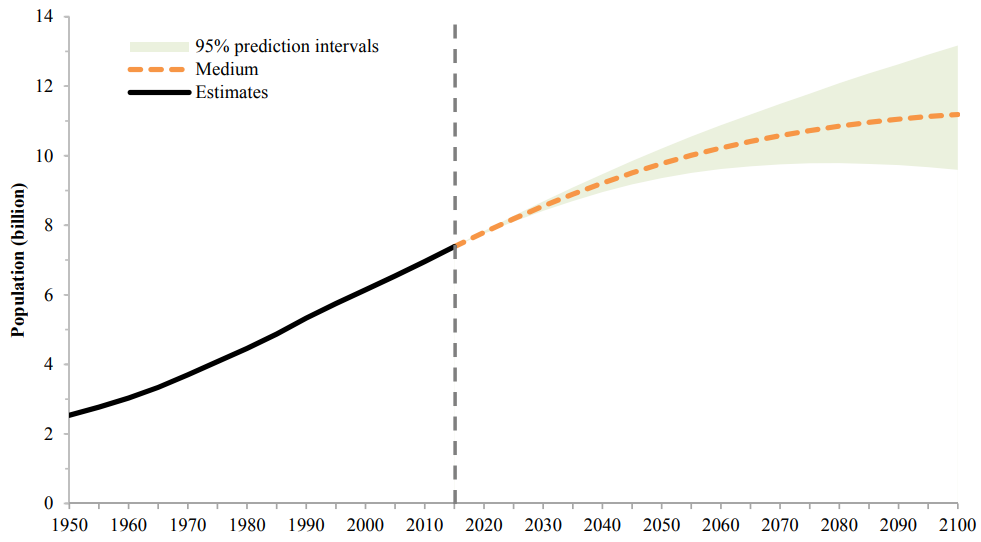
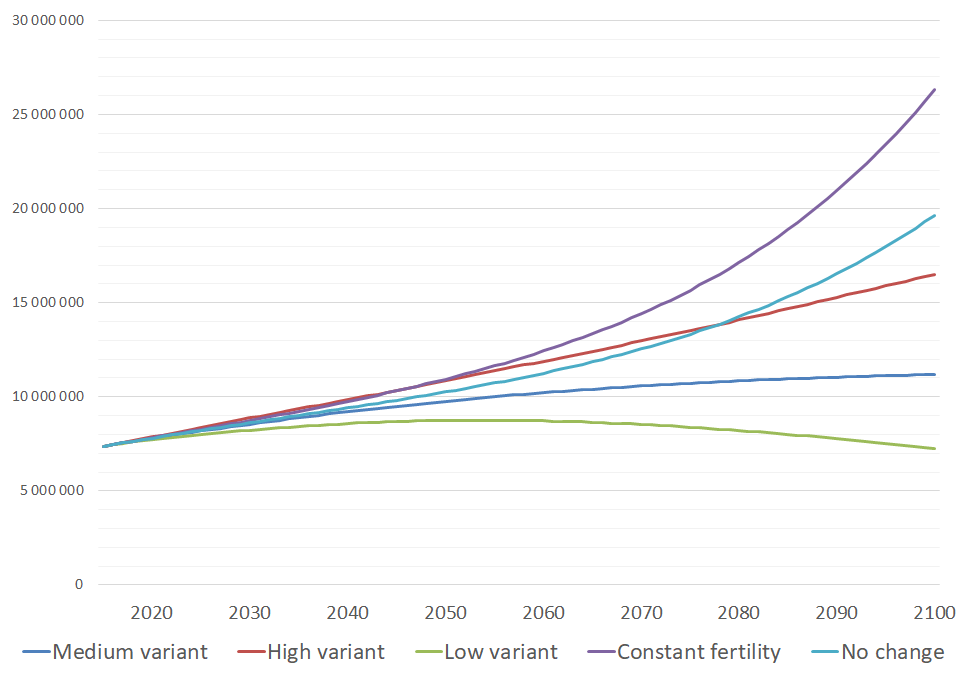
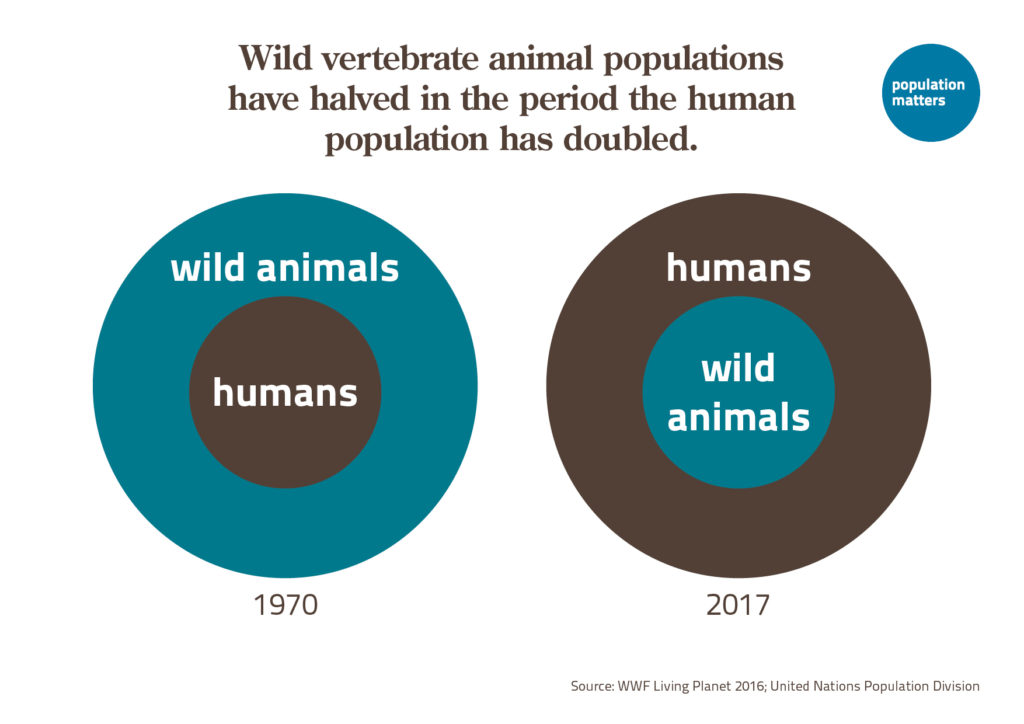
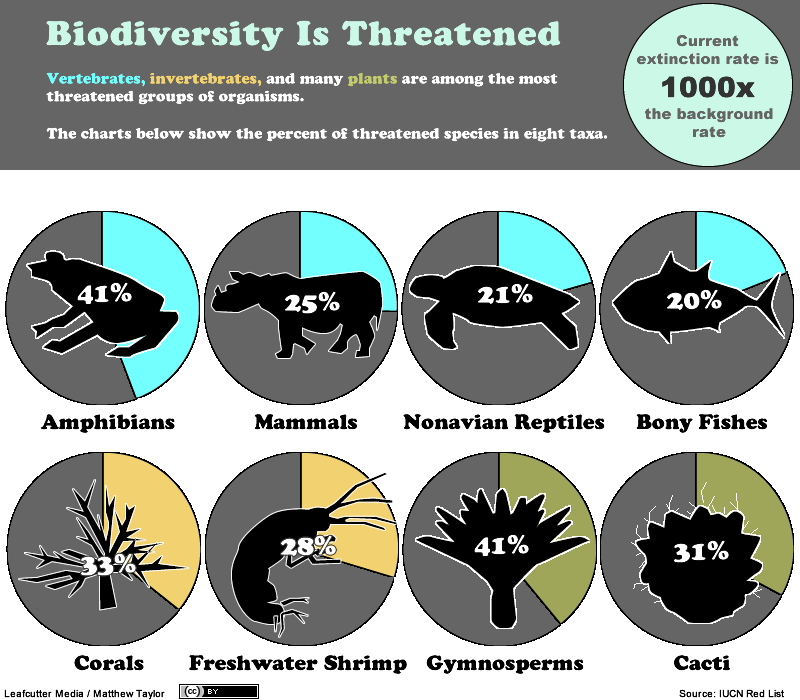
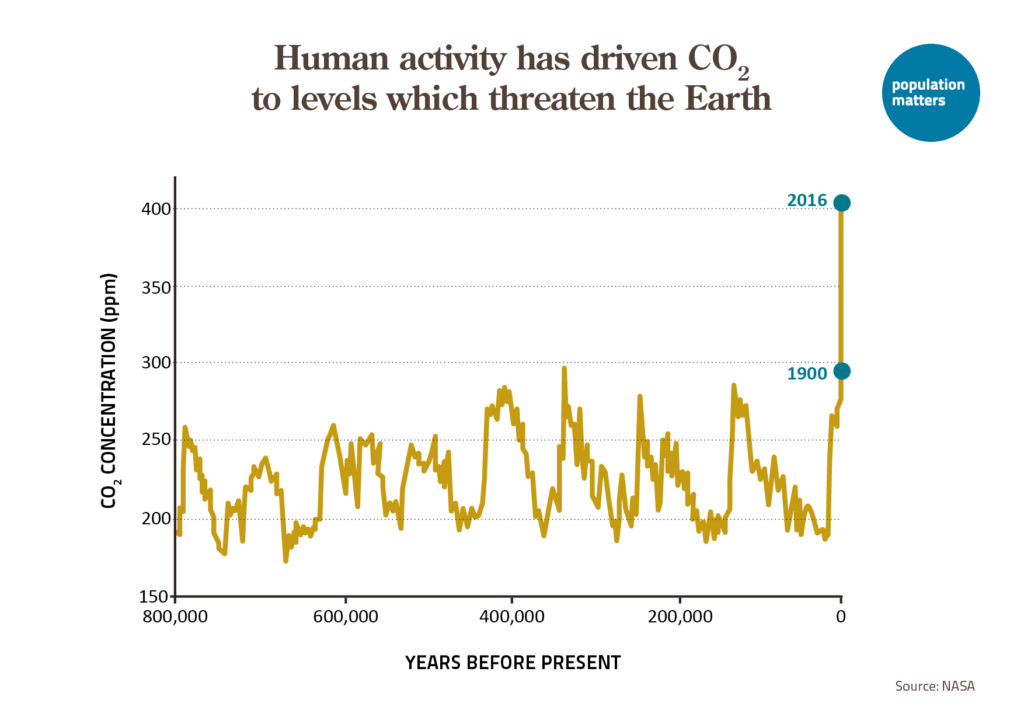
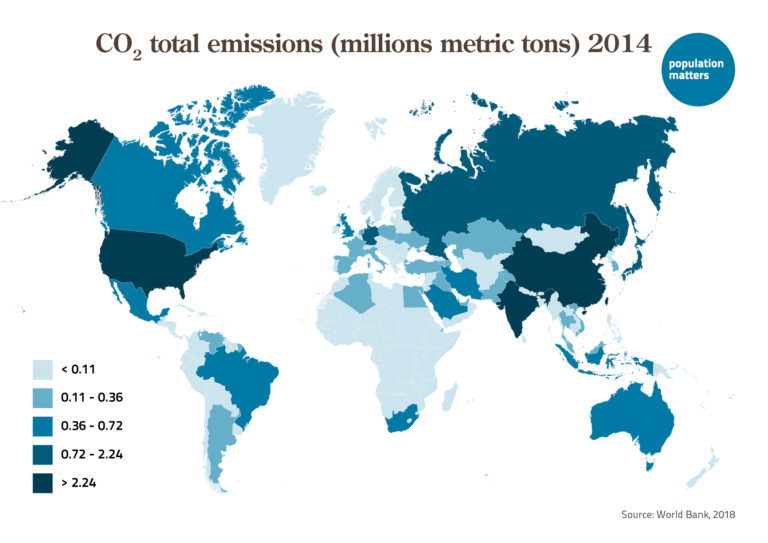
Frank Götmark, Philip Cafaro and Jane O’Sullivan from The Overpopulation Project explain that societies should embrace population aging and smaller populations. We reviewed multiple reports describing the socioeconomic and environmental benefits of population aging, population decrease and shrinking workforces. We maintain that, contrary to some economic analyses, the costs associated with aging societies are manageable, while smaller populations make for more ecologically sustainable societies. The article shows the many environmental benefits of smaller populations, concluding that reversing population growth would abate species extinctions, avoid water overconsumption and mitigate climate change by lowering greenhouse gas emissions.

Happy old

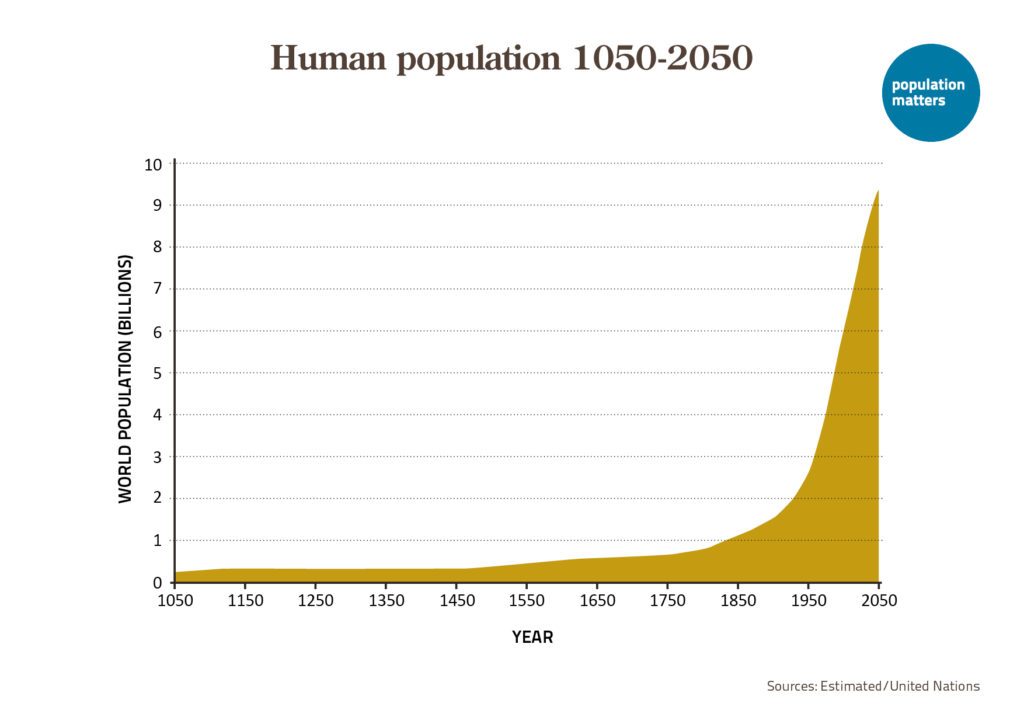
In many countries, stable or declining populations due to demographic aging are often reported by the media as a problem or crisis, but the alternative – endless population growth – is not ecologically possible. Overpopulation leads to serious problems, including excessive consumption, deadly conflicts over scarce resources, and habitat loss leading to species endangerment. According to the IPCC, population growth and economic growth are the leading drivers of increased greenhouse gas emissions and the resulting global climate disruption.

Countries often fear the social and economic challenges that come with population aging, but the research suggests that these fears are overstated. We found no evidence to support the popular belief that population aging leads to worker shortages. We do acknowledge that healthcare spending does increase in aging populations, citing work from the National Bureau of Economic Research. But we also suggest that this increase is manageable, and argue that societies should invest more in preventative care to reduce future age-related health care spending.

Surprisingly, increasing population numbers through policy measures, such as increasing immigration rates or providing bonuses for having many children, have only a small and temporary effect on the aging “problem” (the proportion of people 65 and older). The following video explains why:

Rather than fighting aging, we assert that societies should allow their population numbers to drop naturally and enjoy the environmental, economic and social benefits. If we don’t reverse overpopulation, what happens next will be a sad story. We have to recognize that continued population growth is a global threat. Short-term economic concerns, while to some extent valid, cannot be prioritized over the long-term health of our societies and the environment. Indeed, living longer lives and achieving aging societies are successes, and should be celebrated as such.

See the opinion article to learn how and why aging and shrinking human populations are good for us and for the earth, and also a popular article in ScienceNordic on our publication!

See the original press release about the new article here!

Tagged:

Published

12 responses to “Population aging and smaller populations have many socioeconomic and environmental benefits”

  1. […] in combination with a natural decline in the number of “capitas”. On this topic, see also our blog on the socioeconomic and environmental benefits of aging and smaller […]

  2. John McKeown Avatar

    I like the video’s graphics and animations. The visual difference in how far the arrow of age ratio moves for change in longevity or fertility or immigration, is very helpful in explaining. Thanks.

  3. […] showing that much good research and outreach exist on population matters, the publication of “Aging Human Populations: Good for Us, Good for the Earth” in October, and the Working Paper on current and future EU populations in December. As the year […]

  4. […] impact on the environment, as compared to an equal increase in countries with lower consumption. An aging and declining population has several benefits, not least in relieving human pressures on the […]

  5. […] have believed convenient lies like “we need migrants to pay our pensions” or “we don’t have these skills in Australia”, or “our economy depends on high migration […]

  6. […] have believed convenient lies like “we need migrants to pay our pensions,” or “we don’t have these skills in Australia,” or “our economy depends on high migration […]

  7. […] In the ongoing revision of the NDCs, all governments need to carefully consider the potential impact of population growth on mitigation and adaptation efforts. As TOP recently reported in our review paper “Population Growth and Climate Change: Addressing the Overlooked Threat Multiplier”, slowing growth and stabilizing population is especially important for climate adaptations, such as minimizing heat exposure in vulnerable regions. Moreover, governments need to prioritize meeting unmet needs for family planning, and integrate population-health-environment projects into their national climate plans. In addition, low-fertility countries with declining populations, such as Japan and several European countries, should emphasize this beneficial aspect in their NDCs (see TOPs earlier study about the advantages of aging and declining populations). […]

  8. […] as a disaster for the economy, for pension provision and tax revenues, so it does indeed pose some challenges. However, there is not a single sentence in any of the articles that mentions any of the the […]

  9. […] services make a radical difference to women and couples who want fewer children. Across a range of socioeconomic and health indicators, we also learned that countries are better off when family planning services […]

  10. […] in combination with a natural decline in the number of “capitas”. On this topic, see also our blog on the socioeconomic and environmental benefits of aging and smaller […]

  11. […] the dominant economic thinking is that population decline is bad for the economy, growth is good. The reality suggests something different. By some reckonings the poorest countries in the world are Congo, Mozambique, Uganda, Tajikistan, […]

  12. […] one would have liked to see at least a brief overview on how to reduce population growth, and the advantages of declining populations. Instead, after 35 pages, the authors write: “When a society has limited access to a vital […]

Leave a Reply

This site uses Akismet to reduce spam. Learn how your comment data is processed.

NOTE: Comments with more than one link will be held in wait and will only become visible on the site after an admin has approved it.

Explore the content and topics covered by TOP, search here

Blog categories

Gallery of infographics – Learn more about overpopulation and environment

Discover more from The Overpopulation Project

Subscribe now to keep reading and get access to the full archive.

Continue reading