Degrowth

Degrowth is a relatively new word, and although there are different interpretations, one thing seems certain: sustainability cannot be reached without embracing degrowth.

by Richard Grossman MD

Recently I wrote about 2 words that have negative implications to many people, “population” and “overpopulation”. I’m now introducing a word that will be new to many people so, fortunately, it has few adverse meanings.

What does “degrowth” mean? Being new, it has been used in a variety of ways. Wikipedia defines it as “…critical of the concept of growth in gross domestic product as a measure of human and economic development”. The website degrowth.info writes: “Degrowth critiques the global capitalist system which pursues economic growth at all costs, causing human exploitation and environmental destruction.” To me, the most important aspect of degrowth is decreasing human population voluntarily. Unfortunately, one source seems to have another idea.

I have subscribed to Matt Orsagh’s blog “Degrowth is the Answer” for months, so when he published “By Disaster or Design”, I read it and found it rich in economic discussion—an area where I am poor. I was surprised to find little support for slowing population growth. Here is a quote from that white paper; “Degrowth is focused on living within planetary boundaries, using policy, cultural changes, and green energy to get there…. Population control is not a goal of degrowth.”

I agree about population control. I believe that the only way that population should and can be reduced humanely is by removing barriers to access of voluntary, effective family planning. The control must be by the individual, not any outside or governmental entity.

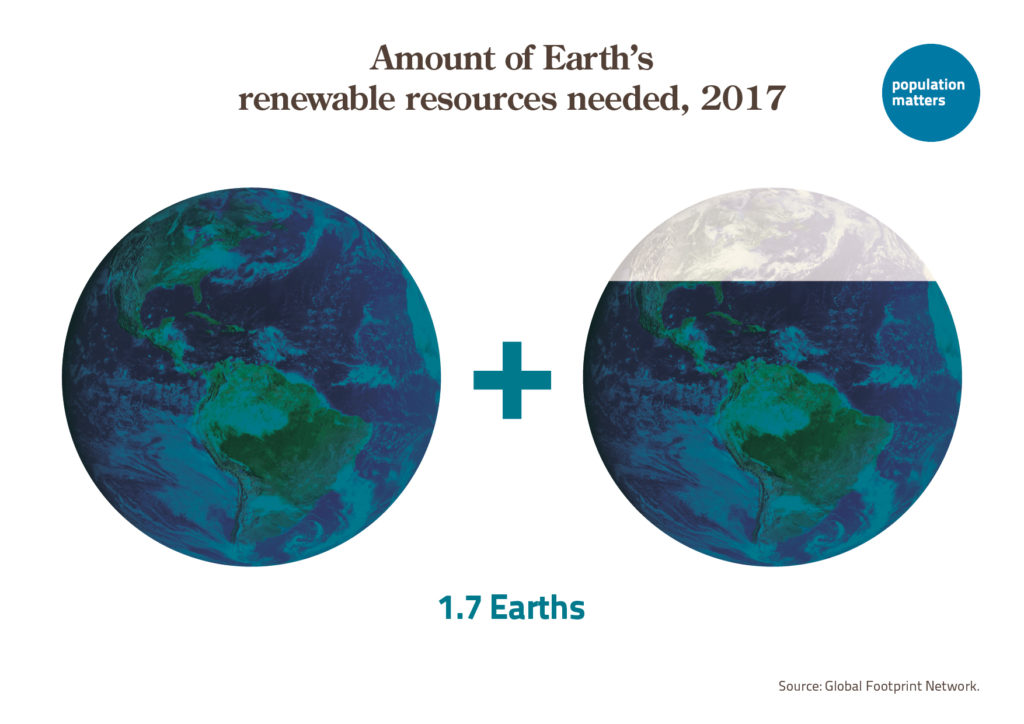
We do agree wholeheartedly on one point—humanity needs to stop living beyond our planet’s means. To illustrate how we are abusing our planet’s resources, Orsagh uses the planetary boundaries model generated by the Stockholm Resilience Centre. It shows that humanity has already pushed through six of the nine planetary boundaries. Unfortunately, the Stockholm group does not focus on slowing population growth, but rather on actions such as wealth redistribution and degrowth.

The 2023 update to the planetary boundaries shows how we’ve already pushed through six of the nine boundaries. Figure from Earth beyond six of nine planetary boundaries.

Although the majority of economists assume that growth is beneficial and will continue indefinitely, a few are more rational. The Center for the Advancement of the Steady State Economy (CASSE) has been around longer than proponents of degrowth, with a more modest goal—to arrest our economy’s growth. CASSE aims for a stable population, and stable consumption of energy and materials at sustainable levels.With these stabilized, we would be much closer to sustainability.

Both CASSE and Orsagh seem to rely on fear for motivation. They warn us what will happen if we don’t slow growth. Furthermore, I feel that neither has a realistic path to stop growth. How can we persuade politicians to support policies to slow expanding the economy, when they are getting rich from the status quo?

Growthbusters, on the other hand, relies on humor as well as thoughtful concern about our current pro-growth economy. It recognizes the importance of contracting both our economy and our population. Its originator, Dave Gardner, also has a serious side that includes running for city council and co-hosting a series of podcasts. Please check out his short videos on YouTube for some laughs.

For a sobering view of out future without degrowth, I suggest the recent article “Post-growth: the science of wellbeing within planetary boundaries”. The first sentence of its abstract reads: “There are increasing concerns that continued economic growth in high-income countries might not be environmentally sustainable, socially beneficial, or economically achievable.”

How do we achieve degrowth? Orsagh wrote: “Degrowth is not going to come from the top. It will have to come from the grassroots, and that means people sharing these ideas, talking to other people, and slowly, over time building to a critical mass that those in power can’t ignore.” I believe that the best way to promote degrowth is by taking away barriers to voluntary family planning.

Richard Grossman is a retired obstetrician-gynecologist. He writes a monthly essay on human population at: www.population-matters.org. This text was originally posted on his site on 25 August 2025.

Published

11 responses to “Degrowth”

  1. Philip Cafaro Avatar

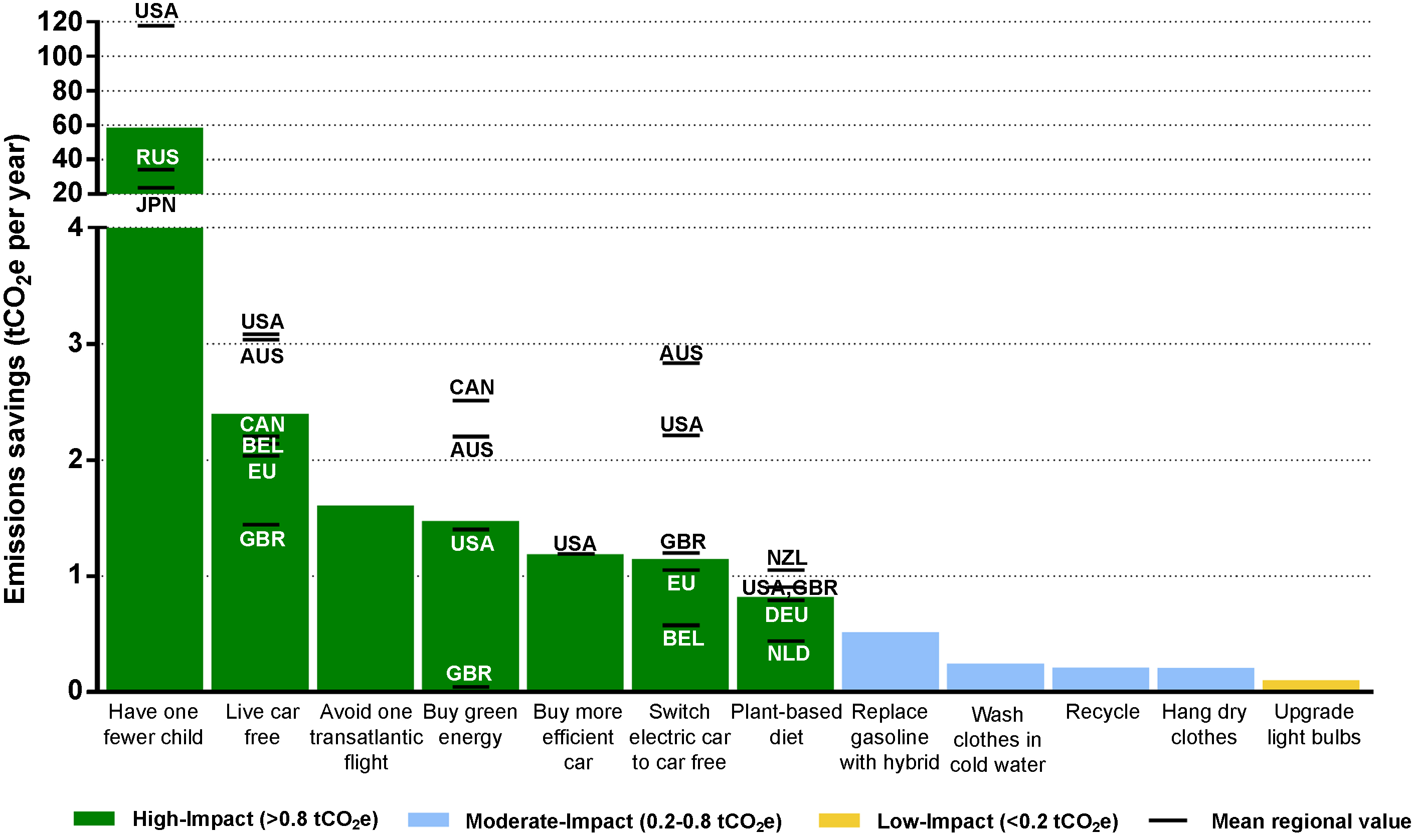
    Economic activity is a function of two main drivers: human numbers and per capita consumption and production. Given recent trends, it should be obvious to degrowth proponents that the easier factor to slow or decrease, by far, is population.

    Most people, given the choice, stop at 1, 2 or at most 3 children. But relatively few people consciously and voluntarily limit their personal consumption or pursuit of wealth.

    Again, fertility has been trending downward throughout the world in recent decades, and many countries are poised to decrease their populations, with some having started to do so. Meanwhile, national GDPs continue to increase, and the goal of national governments, almost without exception, is to increase them as quickly as possible.

    1. gaiabaracetti Avatar

      Why is it obvious? The economy can shrink very quickly, population takes longer. Also, the objective of degrowthers is not merely reducing economic activity, but changing priorities, objectives, and the way the system works. If the population shrinks but the economy keeps growing because growth is still the objective, that is not degrowth.

    2. Dag Lindgren Avatar

      I think many people do not consume what they could. Then they die often rather much remains. They helps kid and charity or organisations and other things when they feel they can afford it. They do not feel for eating at expensive restaurants or bye things they do not need or are unnecessary expensive or do luxury travel. But when others or the state to consume, so its not much better for the future or environment to live cheap. But it helps the future to support TOP so do that, you who do not like to live expensive but have more money than you think you need.

  2. Fons Jena Avatar

    It’s pretty simple. As consumers we can form the market and society in a certain direction, but as reproducers we can change the whole system. The most effective form of civil disobedience against this growth system is to choose smaller families. So all those alternative system changers and degrowth persons who make overpopulation a taboo are dangerously inconsistent.

    1. gaiabaracetti Avatar

      While I agree about the need to have smaller families, I think that you misunderstand what degrowth is. See my comment above.

  3. claire cafaro Avatar

    I asked AI “can behavior shaped by cultural norms be considered voluntary?” This was the answer: “Behavior shaped by cultural norms exists on a spectrum that is neither completely voluntary nor entirely involuntary. While people consciously choose to follow norms, this choice is heavily influenced by deep-seated social pressures, internalized beliefs, and a desire for acceptance , which can limit autonomy.”
    While the word voluntary may conjure up a picture of a couple discussing the use of contraceptives and reaching a decision acceptable to both, reality is more complex.
    Raising the consciousness of men and women might be easier if both were held responsible for the care and feeding of their children.

  4. gregdougall Avatar

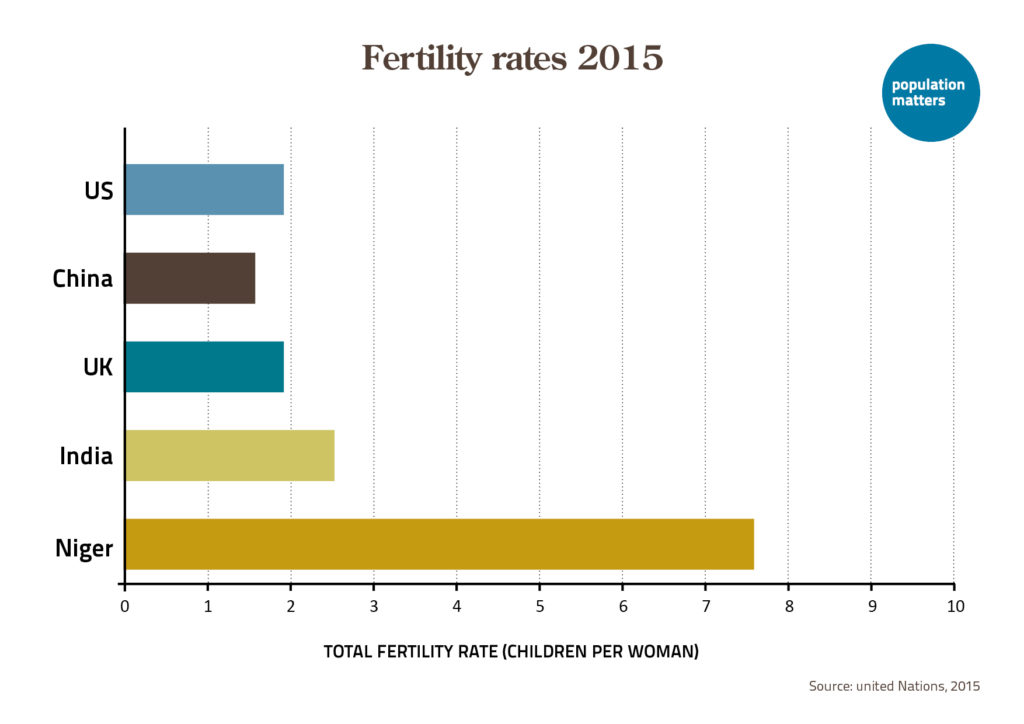
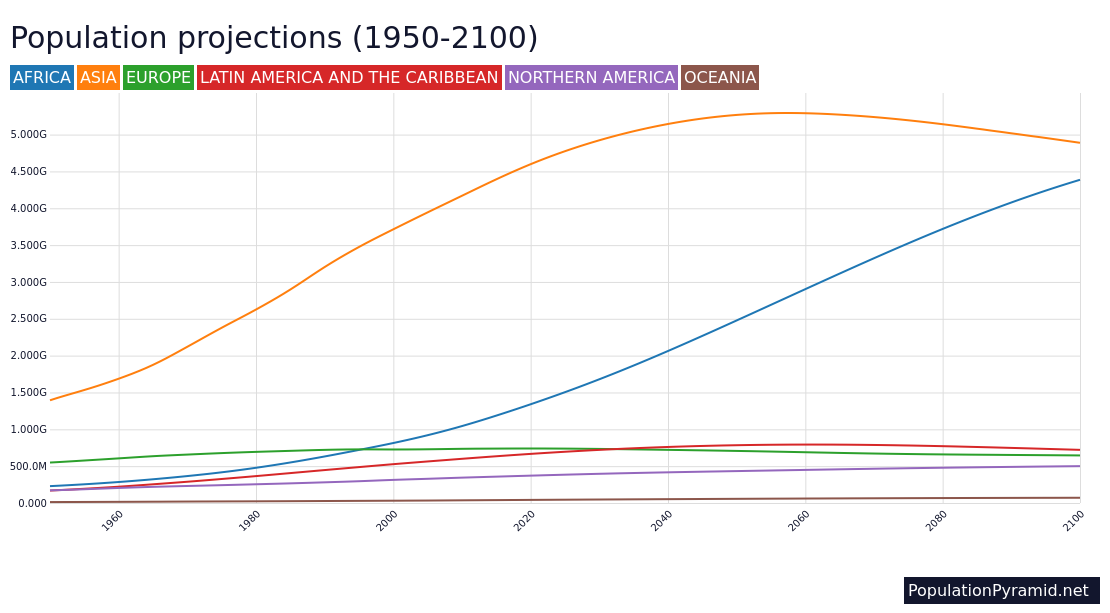
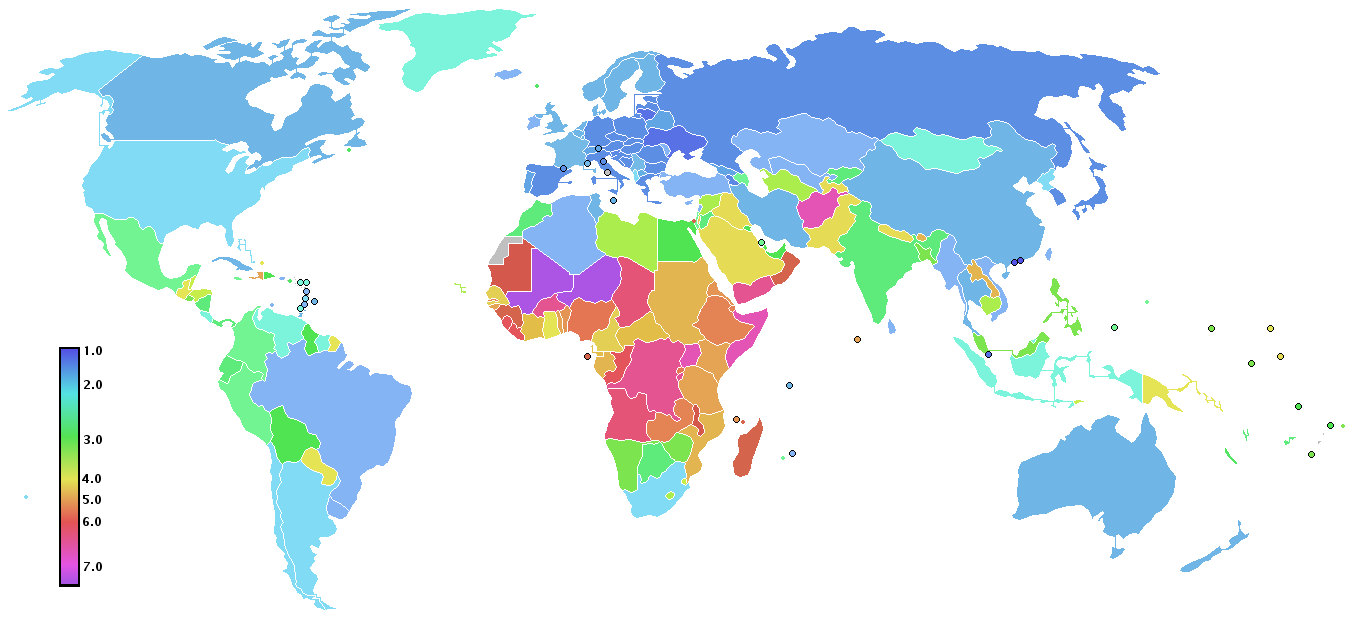
    birth regulations, birth stops, birth halts, birth staggering, birth restrictions, parental qualifications, birth background checks, birth control, birth pause, tax penalties. Why does the world population still increase by 100 million every year? Because America only makes up 3.6% of the world population.
    https://gregdougall.wordpress.com/wp-content/uploads/2025/01/fertility-rates.jpg

  5. Anthony Deg Avatar
    The Overpopulation Project,

    Please send me a separt email (do not send it with this email) of HOW TO STOP OVERPOPULATION.
    Please send me your list on HOW TO STOP OVERPOPULATION in a separate email

    Thank you,
    Anthony Deg


  6. Michele MR Avatar

    The pursuit of Growth is never going to change as long as Capitalism forms the Global economy.

  7. Dag Lindgren Avatar

    Nedväxt (degrowth) is certainly mentioned in Swedish debate since a long time, but seldom connected to reduction in human number and growth is still the goal of politics.

  8. […] we are caught in the grip of an economic system based on endless growth, we need fewer of […]

Leave a Reply

This site uses Akismet to reduce spam. Learn how your comment data is processed.

NOTE: Comments with more than one link will be held in wait and will only become visible on the site after an admin has approved it.

Explore the content and topics covered by TOP, search here

Blog categories

Gallery of infographics – Learn more about overpopulation and environment

Discover more from The Overpopulation Project

Subscribe now to keep reading and get access to the full archive.

Continue reading