A distinguished scientist’s new book makes the case that more people means less wildlife, in the United Kingdom and globally. This excellent offering is a must-read for anyone interested in the connection between human numbers and biodiversity protection.
by Phil Cafaro
For Trevor Beebe, the issue of people crowding out other species surfaced early in his life. “It was April 1963,” he writes:
and hovering above the pond an intimidating machine was moving vast quantities of earth, infilling a treasure trove overflowing with water plants, dragonflies, beetles, frogs, newts and so much more. … This small pool had been my inspiration, awakening my first fascination with natural history. Over the previous 5 years I had become familiar with every soggy corner and to this day I could draw you a map of it. A shady bay beneath a hawthorn bush where, one autumn, a dozen newly emerged great diving beetles lay immobile on the silt; springs with frog choruses, masses of spawn, migrating toads and newts flitting around in the shallows; and warm summer days with hawker dragonflies patrolling tirelessly around the shores. Within a matter of hours, all this was gone, paving the way for a new housing estate. My adolescent brain made the obvious connection: more people means fewer wild places and less wildlife.
Beebe’s youthful naturalizing led to a career in science and conservation. His new book published by Cambridge University Press, Impacts of Human Population on Wildlife: A British Perspective, makes the case that the primary cause of the massive biodiversity loss in the British countryside during his lifetime has been “the attempt to accommodate more people than Britain can sustain without ongoing environmental damage.” While the core of the book describes these changes and documents their links to Britain’s growing population, additional chapters explore population impacts and policies internationally.

After an introductory chapter describing some obstacles to honestly discussing population matters, chapter two describes how British wildlife has declined substantially in recent decades. The UK registered 13th lowest out of 236 countries in one recent study of biodiversity intactness, and much of its biodiversity loss occurred in the years after World War II. This coincided with a major post-war push for food self-sufficiency. As detailed in chapter five, Britain’s agriculture was mechanized; marginal lands were pushed into production, hedgerows ripped up, and wetlands filled in; DDT and other harsh pesticides and fertilizers toxified the landscape and its rivers and streams. Biologists generally agree that intensification of agriculture was the leading cause of biodiversity loss in post-war Britain; this intensification was driven in part by Britain’s rapid population growth during this period, which increased the demand for agricultural products. The intensification of forestry, begun several decades earlier, had a similar negative impact on British biodiversity. As with agriculture, population increase incentivized industrialization by increasing national demand for forest products.
Other chapters explore additional important drivers of biodiversity loss and their more or less direct links to increasing populations and population density. Chapter three discusses hunting pressures on both target and non-target species. Chapter four explores the role of urbanization and suburban sprawl in decreasing wildlife habitat. The kind of development young Trevor saw destroy his favorite pond was repeated innumerable times across the country in the post-war years, as tens of millions more people had to be accommodated on a finite landscape. Most of this population growth and new development happened in southern England, where the richest biodiversity in the UK is found, so its impacts were magnified. Chapter six explores climate change, invasive species, wildlife and wild plant diseases, and habitat degradation and disturbance. In each case, Beebe asks how increasing human numbers may have contributed to these problems, taking care not to get ahead of the evidence, and warning readers when it is inconclusive.
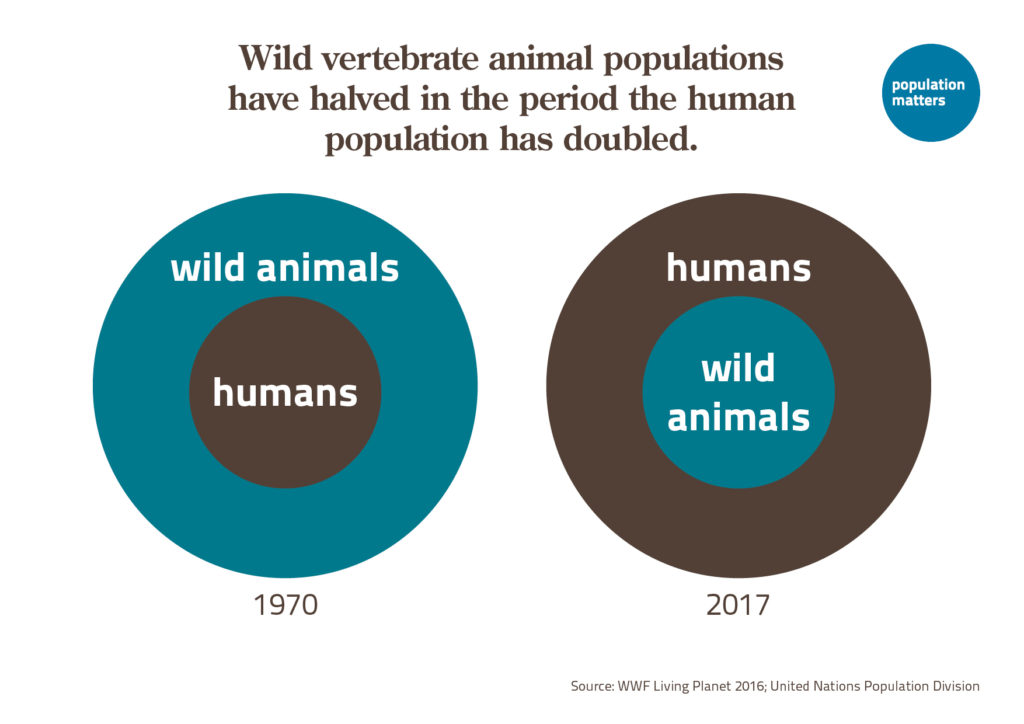
All the proximate causes identified as problematic for wildlife in Britain have a common root, Beebe writes: they are the activities of humans. But in the end, most of these activities “are merely symptoms, surely the immediate causes of wildlife declines but not the fundamental drivers of them,” which are excessive human numbers and economic demands. This reverses the usual way of talking about biodiversity loss, in which conservationists pretend that human demands and economic behavior are infinitely malleable, in favor of a more realistic view: as long as there are people around, most of what happens on the landscape is going to be for our immediate material benefit. Therefore, if we want to protect biodiversity, the most important thing we can do is to work to limit our numbers. As Beebe writes, “the only sustainable, long-term solution for a healthy environment in the UK will require a reduction of the human population size.”
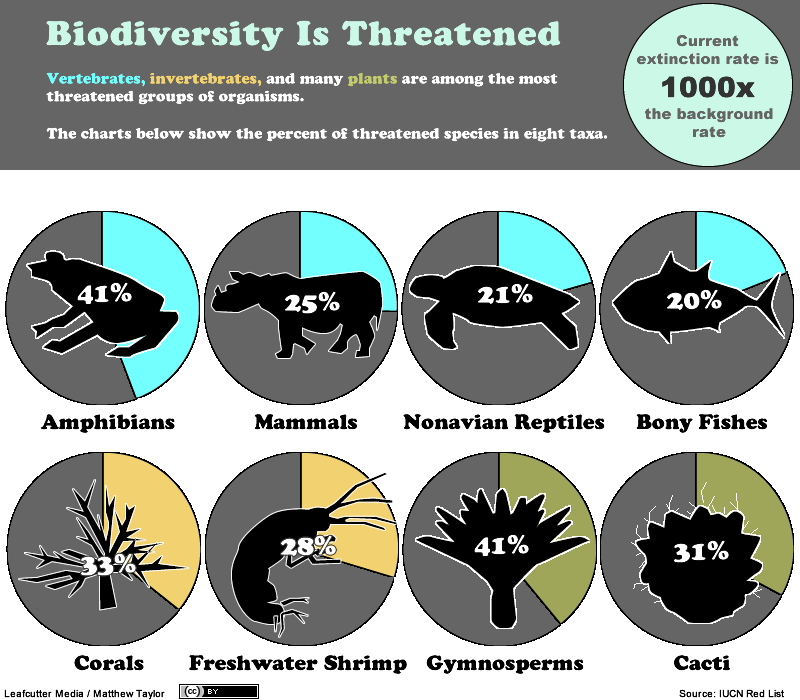
The subtitle of this book is “A British Perspective,” but its scope widens in its last third. Chapter seven finds that 11 countries in western Europe experienced broadly similar wildlife declines over the past 70 years, despite often intensive efforts to halt this decline. Beebe writes, “It seems difficult to understand why rich economies have so often allowed wildlife declines to continue unabated. The answer may relate to the commonality of agricultural intensification as a driver of wildlife declines across Western Europe. This in turn has coincided with increasing human numbers and corresponding needs for high levels of food production.” Noting that western European nations have a wide range of population densities, from Sweden at 23 people per km2 to the Netherlands at 421 people per km2, he writes: “This broad range of human numbers across the continent provides a good opportunity to test the hypothesis that wildlife declines correlate with human population density.” As the figures reproduced below show, they do:

For both amphibians and birds, the relationship between increased human population density and increased percentages of species declining is statistically significant. Chapter nine notes that this correlation between population density and recent biodiversity loss has been found worldwide, in studies looking at measures of biodiversity intactness: “across the world as a whole, more people are correlated with more biodiversity loss.” Conservation biologists generally agree that preserving habitat is the key to preserving biodiversity, leading to support for ecological restoration of former agricultural lands as a cornerstone of conservation efforts going forward. But as Beebe notes, in densely populated countries with increasing concerns about food security, such agricultural deintensification in not likely to be widely adopted.
Given the evident importance of population matters to biodiversity conservation, one would expect more attention to this matter. On the positive side, chapter eight notes that polls regularly show that the general public understands the importance of reducing human numbers for biodiversity conservation, and that naturalists and conservation biologists have increased their population advocacy in recent years. On the negative side, environmental organizations generally ignore the issue. Worst of all, the wealthy foundations that many of these organizations have come to depend on punish those which address it.
The timid silence of most environmental NGOs arguably amounts to a dereliction of duty, given the impacts of increasing human numbers on their stated objectives. Beebe levels similar criticisms at mainstream politicians: the platform of the UK’s Green Party “seems designed to minimize offence rather than to propose action,” while other major parties remain silent about population. Into this breach step the economists, who are uniquely unsuited to advise on population matters, given their obsession with economic growth and their demotion of other species to mere “natural resources,” to be used or exterminated whenever this is convenient for people. “It is pertinent to ask why economics is so highly rated in the corridors of power,” Beebe writes. And again: “the demotion of economics as a major driving force in the political arena might well be the best of news for the future of Planet Earth.”
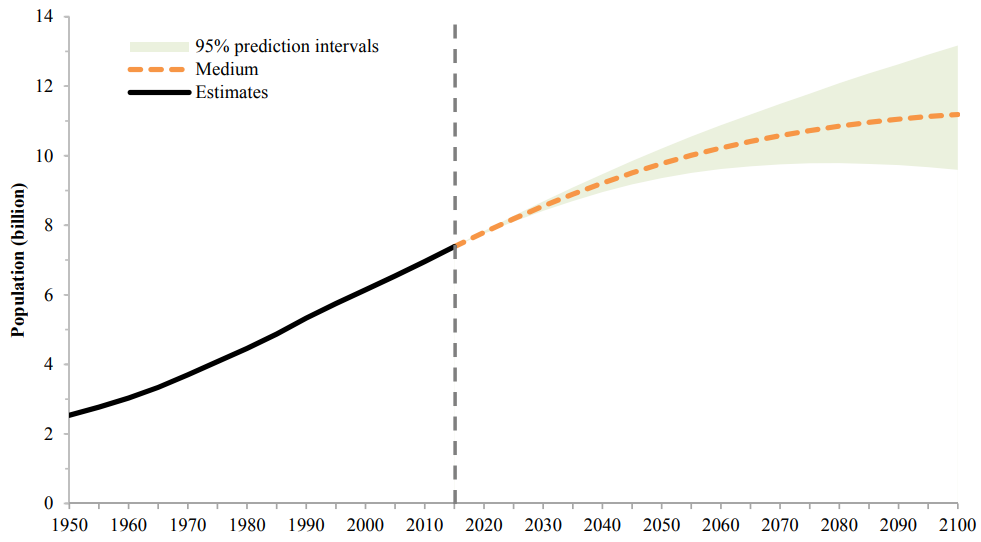
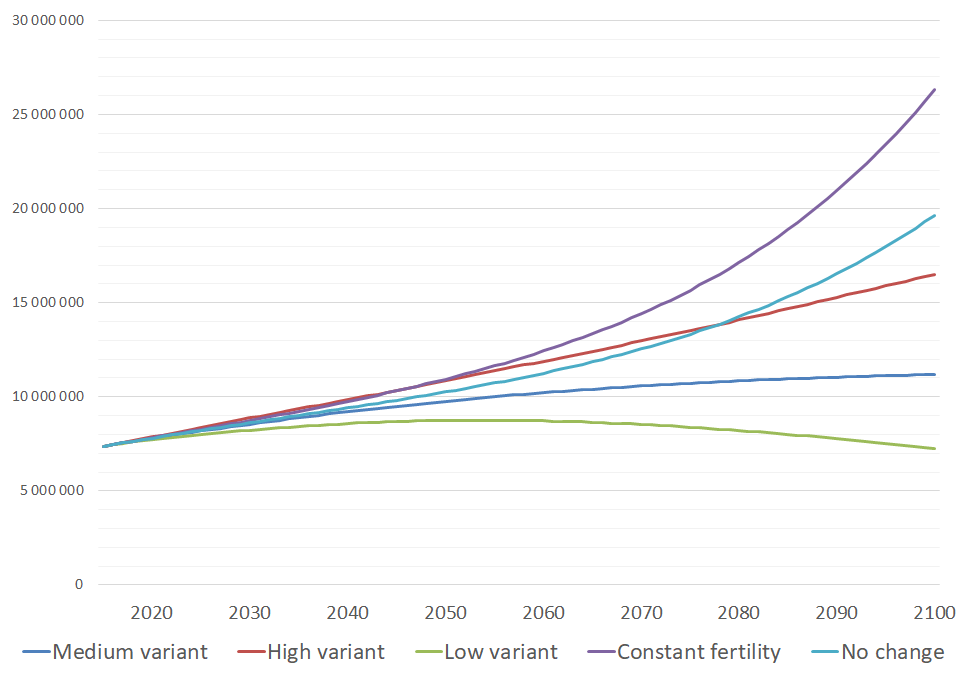
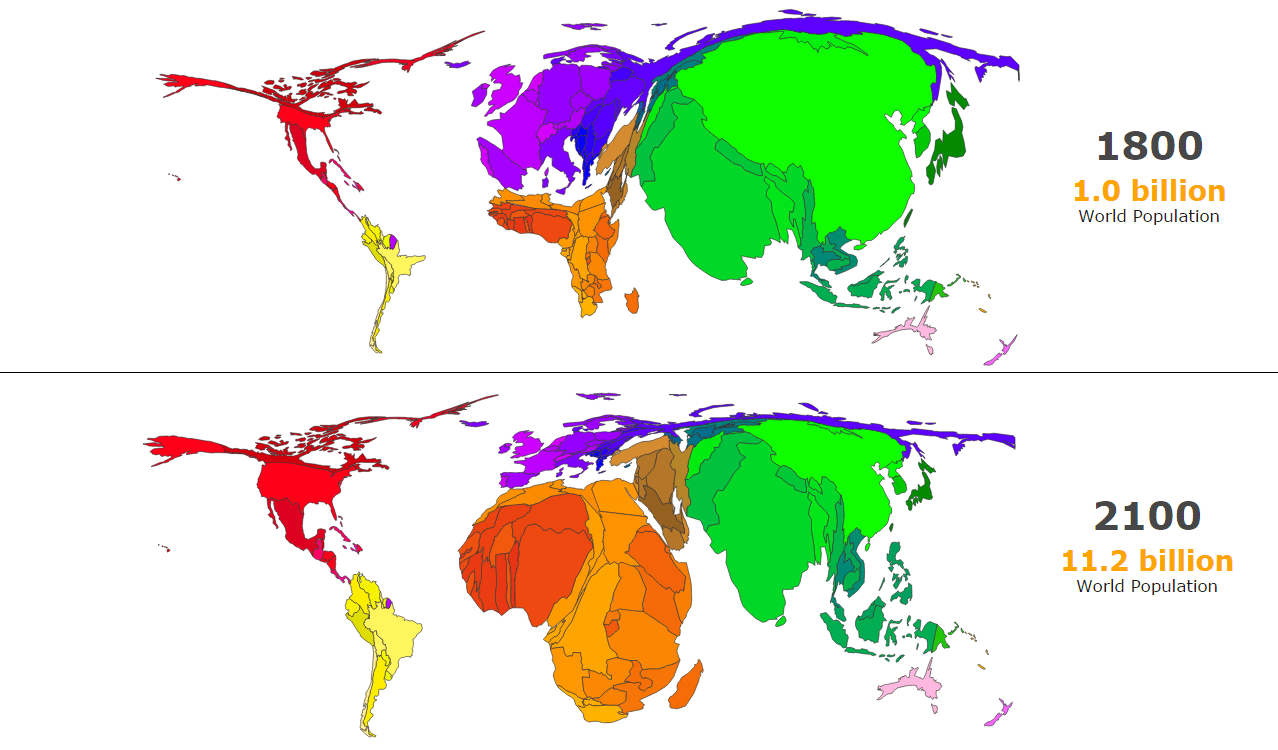
In a final chapter titled “Conservation in a Crowded Country,” Beebe wades into controversial questions regarding population policies at home and around the world. He notes that widespread worries about low birthrates and stable or declining populations have led many countries to introduce policies to increase fertility rates in recent years. Yet few of these countries have biodiversity intactness index scores that merit such policies, and many have such large populations that their real worry probably should be whether they will be able to feed them in a warming world. Focusing on the UK, Beebe quotes one study that estimated it could only sustainably feed a population of 20 million people, far below the current 67 million or the 78 million projected by UN demographers for 2100. He goes on to discuss tax and incentive policies to lower UK fertility rates, and gingerly broaches the topic of limiting immigration, the leading driver of continued population growth in the UK, as it is throughout the developed world.
As throughout the book, Beebe’s policy discussion here is reasonable and non-dogmatic, while not avoiding the hard issues. As he concludes:
Without bringing human numbers into mainstream thinking in the context of wildlife and human futures, significant changes for the better look almost impossible. For far too long discussion about overpopulation in developed countries including the UK has been taboo in polite society. This needs to change. A humane population-reduction policy would not have a rapid beneficial effect but is vital for any chance of proper recovery for Britain’s outstanding wildlife heritage in the longer term. To this end, it will be necessary to replace blinkered economic arguments that have consistently ignored the real biological world in which human society functions.










Leave a Reply