
Population degrowth is a necessity to achieve a sustainable world. A new policy brief for the Nordic countries urges policymakers to rethink their commitment to continued growth and instead embrace the reality of demographic degrowth.
By Pernilla Hansson
Many countries around the globe are set to experience population decrease, with several dozen already doing so. Despite lamentations from some economists and misdirected attempts to reverse this trend, it is a reality that more and more countries will have to face.
Even in countries that are still growing in population on a national scale, the growth is often uneven and limited to bigger cities, leaving many predominantly rural districts to face population decline. Without plans for how to restructure societies in these areas, their populations risk experiencing only the negative effects of such degrowth, rather than the positives.
This is exactly what the new policy brief “Rethinking population shrinkage: Smart adaptation for Nordic municipalities and regions” aims to address. The brief is produced by the regional development research organisation Nordregio. It undertook workshops with municipal, regional and national planners and policymakers in Sweden, Norway, Denmark, Finland, and Iceland, countries that are all experiencing population decline in some municipalities while others still grow. The resulting report focuses on the positives of degrowth while identifying practical approaches to mitigate the stresses that shrinking and ageing populations might generate.

Common fears regarding population decline are related to providing services while being economically supported by a smaller and older population. When the population shrinks, the region’s allocation of national funds might decrease, which can impact public services and infrastructure. Managing vacant housing while providing suitable housing for more specific needs may also become a struggle, while an aging population puts further demands on elderly and health care.
All of this is mentioned in the report, but the policy brief is also very clear that population decline will become the new normal for many places throughout Europe. Simply put, it is not something that can meaningfully be fought against and development strategies need to acknowledge and adapt to this new reality.
The policy brief proposes seven action points to address population degrowth. These are summarised below.
- Reframing the narrative on shrinkage – success should be measured by well-being and quality of life rather than population growth.
- Developing knowledge on shrinkage, demographic changes, and their effects – many regions are limited by the quality of data, so better demographic data can help develop more finely tailored strategies.
- Communicative planning and the benefits of being small – benefits of smaller communities should be highlighted and residents encouraged to engage in adaptive plans to promote community cohesion.
- Social infrastructure and land use planning – societies should repurpose spaces and create multifunctional service hubs to optimise resource allocation while ensuring service accessibility.
- Multi-level governance and collaborative approaches – inter-municipal and regional cooperation can improve service efficiency, enhance policy coordination, and create economies of scale.
- Funding for long-term adaptation and future-oriented planning – funding should be more flexible and not tied to growth metrics.
- Policy responses to shrinkage coupled with the green and digital transitions – by integrating degrowth adaptation with other significant transitions, synergies can be created that strengthen both initiatives.
Linked to all these points are proposed actions for local as well as national policymakers. The brief further specifies that regional and national policies should support inter-municipal cooperation and provide funding that focuses on adaptation and improvement in quality of life rather than sustaining population growth.
This policy brief is a great step forward toward accepting shrinking populations. It clearly states that this is a reality for many Nordic regions and that this reality must be met with a new way of structuring society, reframing the “population decline problem”. Unfortunately, the report doesn’t elaborate on the more positive aspects of depopulation, particularly those related to sustainability and the environment.
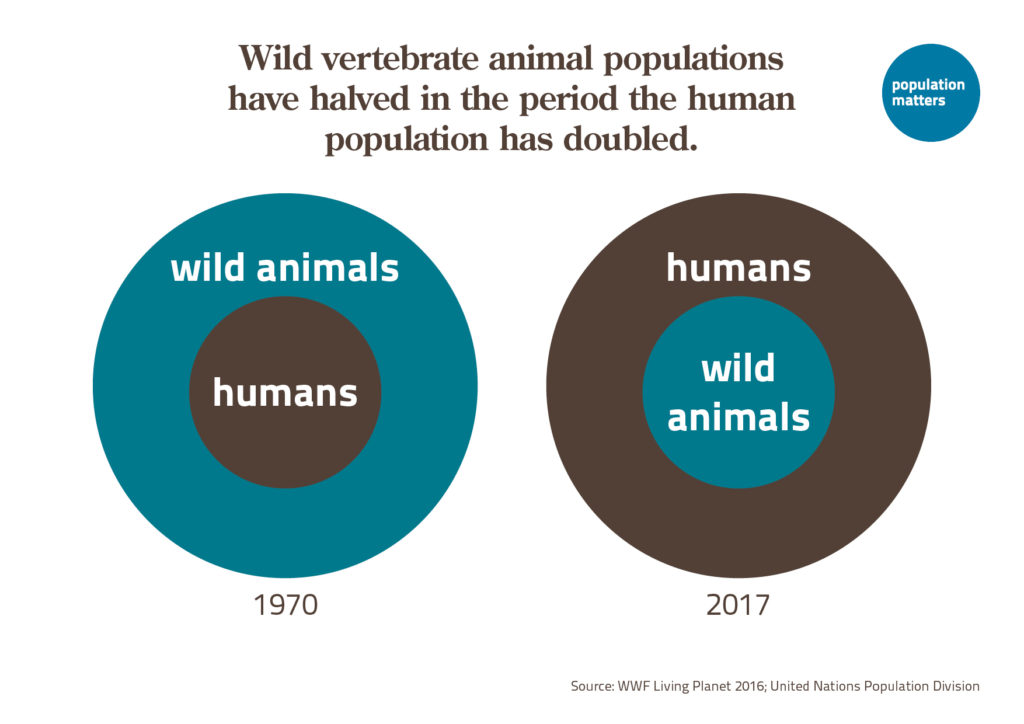
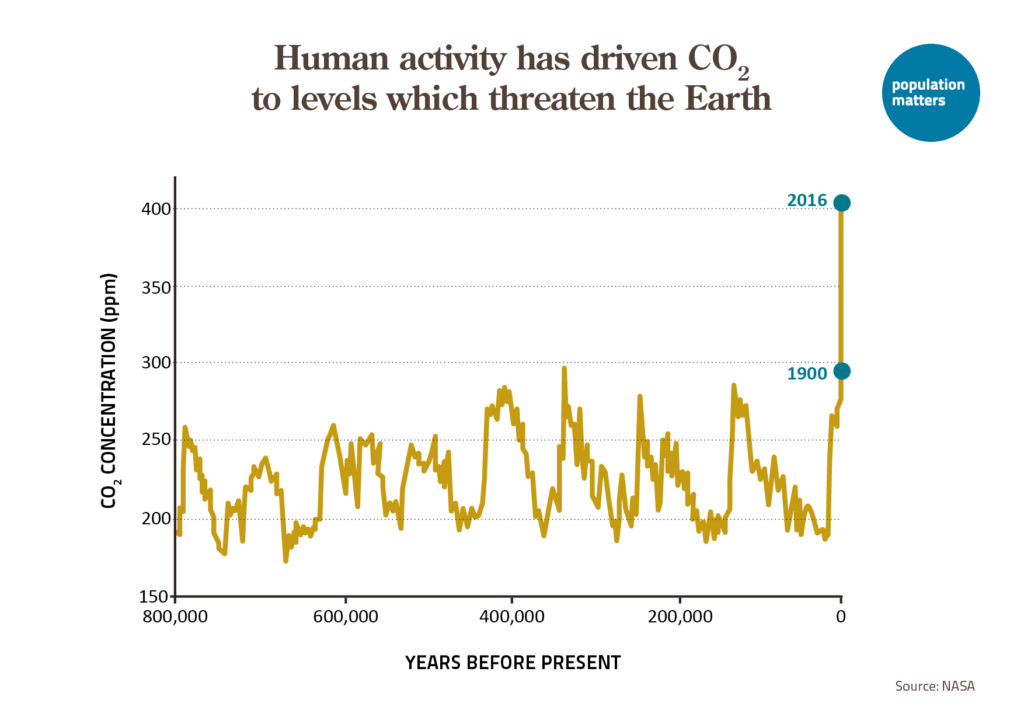
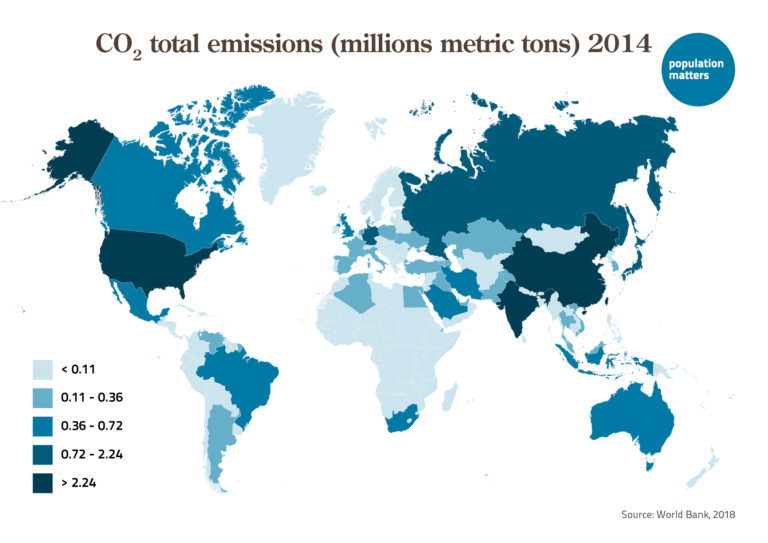
As Nordregio’s areas of focus are regional development and planning and since most workshop participants were municipal and national planners and administrators, it is no surprise that the brief is rather anthropocentric. They mention how population degrowth can result in closer-knit communities, give greater flexibility to governance, and make citizen engagement easier. While the brief suggests linking degrowth to the green transition, mentions of positive environmental aspects are lacking. It would have been nice to see even a small acknowledgement of the environmental and sustainability benefits that potentially come with population decline, such as leaving more land for nature, reducing national CO2 emissions, and being part of a crucial step in remaining within planetary boundaries.
While this is not the first report of its kind (see for example the in-depth analysis that the OECD produced in 2022 for how Estonia can shrink smartly), it is refreshing to read a report that states so clearly the need to restructure society around degrowth. Population shrinkage is often framed negatively in public discourse, which might prevent policymakers from adapting strategies for it. With more reports like this, policymakers might finally let go of the archaic belief that prosperity is linked to continuous growth and realise that the well-being of people and our planet is a more reasonable measure.
How does your society discuss potential population decrease? If you were writing up a brief for “positive degrowth” for your community or region, what points would you emphasize? We want to hear from you!











Leave a Reply