
The UN’s latest State of the World Population 2023 report deepens its denouncement of population concerns. While it commendably emphasizes women’s reproductive rights, it neglects the role an excessive and growing population plays in driving global ecological degradation and overlooks the many ways overpopulation can undermine poor people’s rights to safety and security.
by Jan van Weeren
Last month, the United Nations Population Fund launched its State of the World Population 2023 report. It has the optimistic title 8 Billion Lives, Infinite Possibilities. As in 2018, with The Power of Choice and in 2021, with My Body is My Own, the new report takes the gospel as it was proclaimed in Cairo almost thirty years ago as its leading principle. This 1994 International Conference on Population and Development (ICPD) was a shift away from population control ideologies towards sexual and reproductive health and rights. Despite the consensus statement at Cairo acknowledging the harms done by population growth, the UN has interpreted its mandate as insisting that demographic targets should no longer be goals in themselves. The aim of any population policy should be to ensure the reproductive rights of people, rather than to achieve demographic targets.

How successful was this leading principle after all those years? Data from 68 countries show that an estimated 44 per cent of partnered women are still unable to make decisions over health care, sex or contraception [p. 4]. Prevalence of patriarchal norms seems to play a critical role [p. 54]. Most women report joint decision-making, but when their preferences differ from those of their husbands, men will normally have the final say [p. 106]. Although these data are not very encouraging, they could have been worse without any efforts to improve the position of women. The report calls for further action, not just from policymakers and parliamentarians, but also from young people, older persons, activists, the private sector and civil society groups. “Together, we must create a world where everyone can exercise their rights, choices and responsibilities. This is essential for building a more sustainable, equal and just world for all 8 billion of us. A future of infinite possibilities. The time for action is now.” [p. 9]
So far, so good. But then it is reported that surveys carried out in a variety of countries (Brazil, Egypt, France, Hungary, India, Japan, Nigeria, USA) show that between 50 per cent and 80 per cent of the respondents believe that the world population is too high, against vanishing numbers much below 10 per cent who believe that the world population is too low [p. 44]. Demographic targets enter the report through the back door, in the form of opinions held by people in a broad variety of countries. They stand for the demographic targets which were banned since the Cairo ICPD in 1994.
In response to this data the report makes a remarkable move. People believing that there are too many of us are framed as victims of misleading alarmist [p. 7] or simplistic narratives [p. 47]. These people are allegedly made vulnerable to the claims of “too many” or are influenced by alarmist rhetoric about “overpopulation” [p. 47]. There is no such thing as over- nor underpopulation, according to the report.
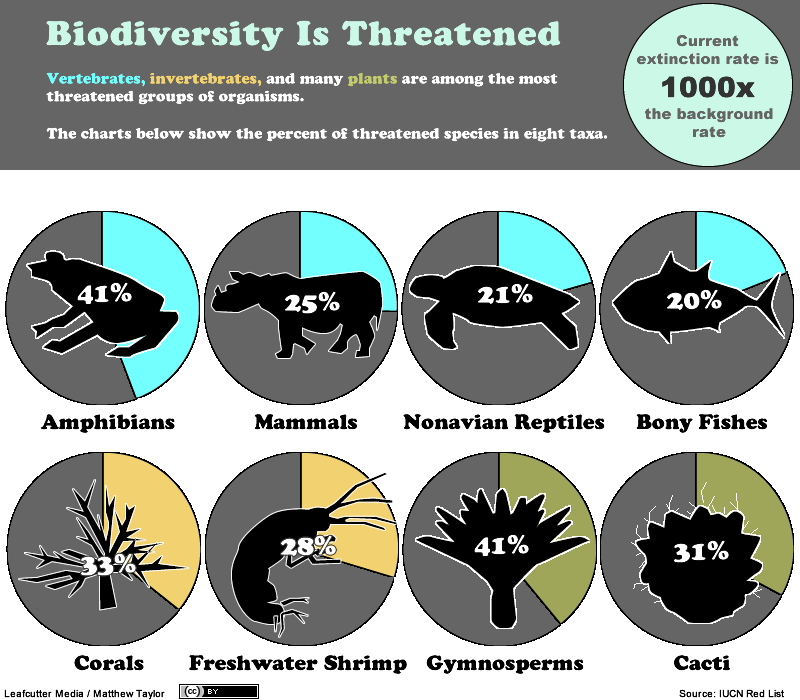
Inequality, violations of human rights and lack of sustainable development are seen as the key drivers of the ill health, environmental degradation, poverty, hunger and tragedy blamed on “overpopulation” [p. 37]. The causal chain from overpopulation (too many consuming too much) to environmental degradation, poverty and hunger and tragedy is totally overlooked.
The only thing that counts is a lack of reproductive rights for women. A reaction of Eliza Anyangwe, editor of CNN As Equals, responding to remarks of the UK’s Prince William, is quoted approvingly in the report: “identifying population growth as the problem, logically presents population control as the solution. This automatically transforms wombs into legitimate sites for climate policy” [p. 38].
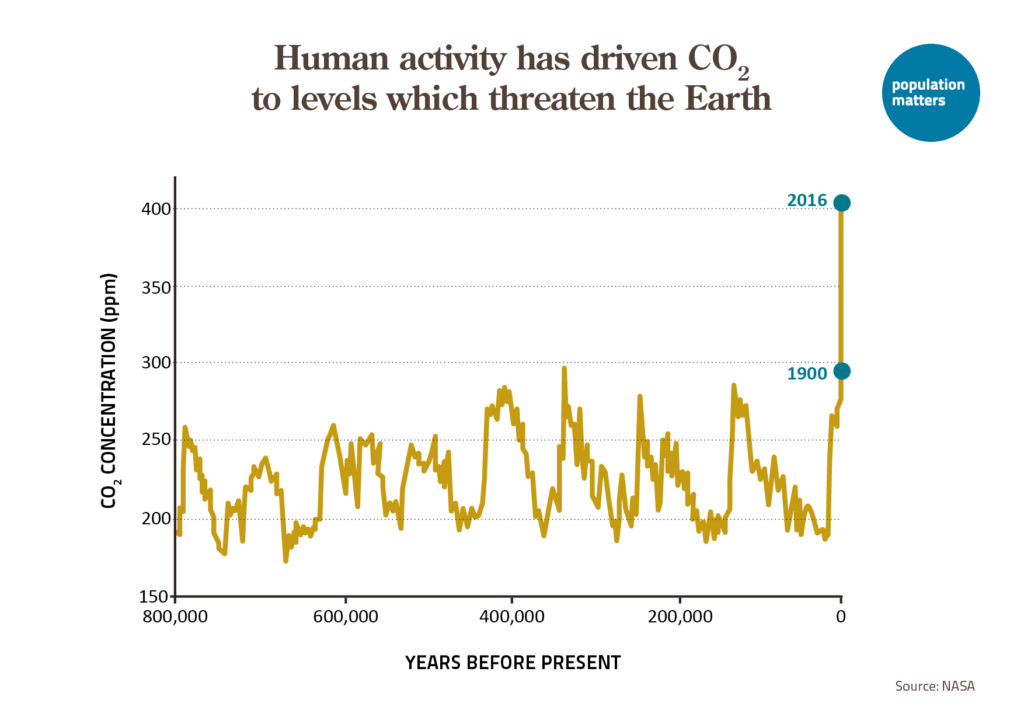
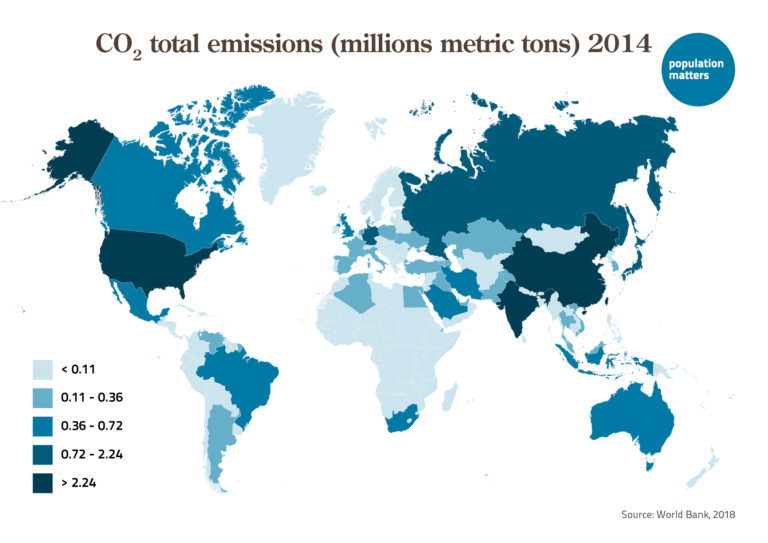
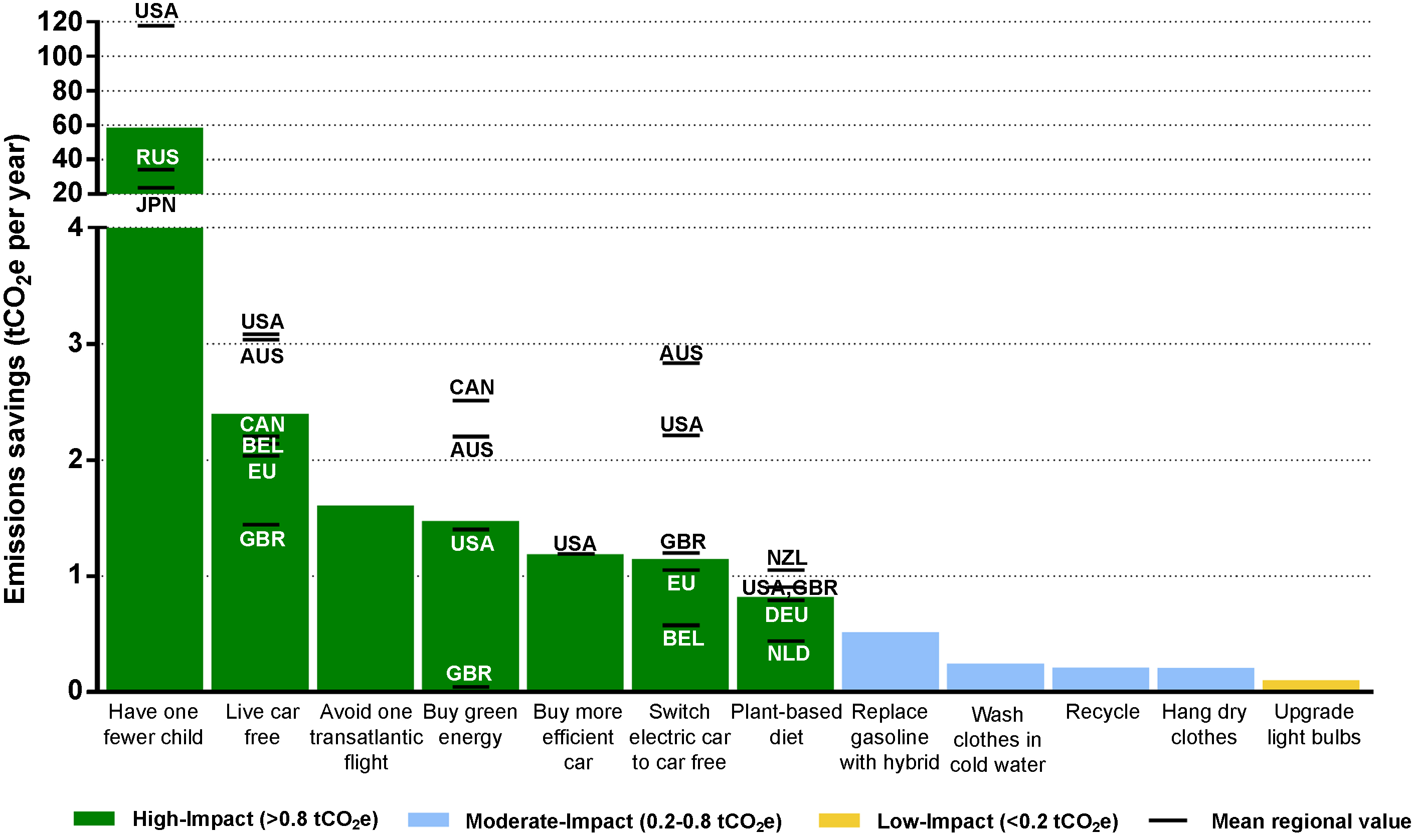
This rhetoric puts the problem of the relationship between population growth and increasing CO2-emissions simply off limits. There is nothing ‘automatic’ linking demographic concerns to any form of coercive measures. Even if there were, this is not a logical reason to deny that population growth is a problem. It would be a reason to change the culture and practices of family planning programs to eliminate involuntary measures and improve the focus on health and rights – but this was largely achieved in the decade before Cairo.
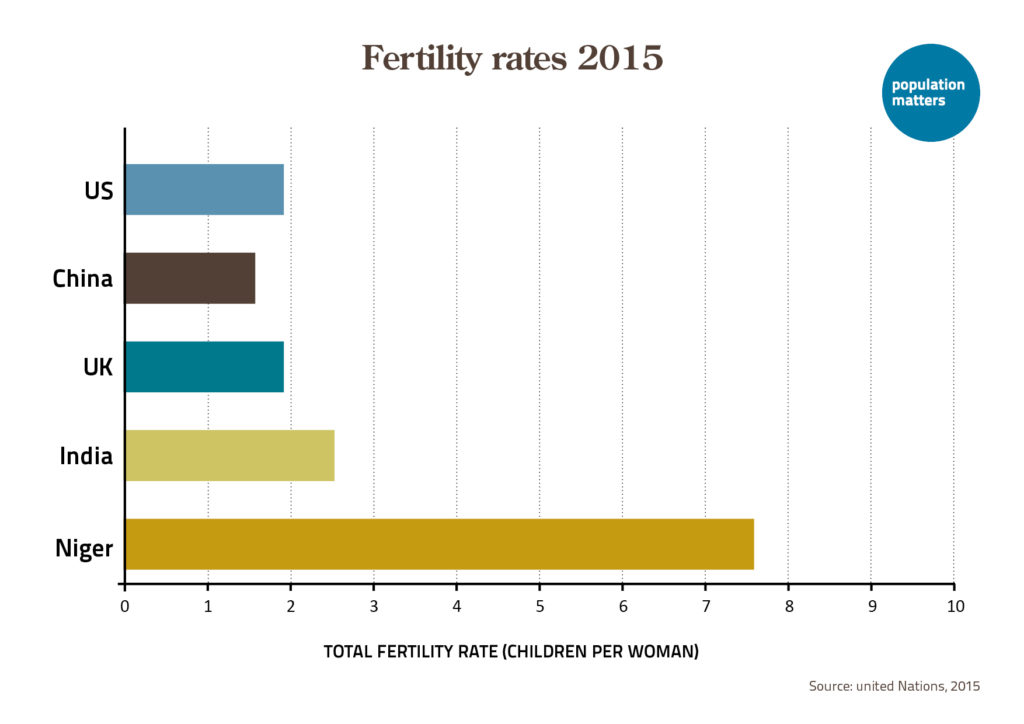
According to the World Population Policies 2021 report, 69 countries have population policies to lower fertility, half of them in sub-Saharan Africa. The report acknowledges the development gains that can be achieved after fertility decline. However, efforts to further this decline should not be based on fertility targets, according to UNFPA. The only intention should be to secure the sexual and reproductive rights of individuals [p.50]. We will have to ask what individuals want for themselves. Even “soft” targeting through persuasion and incentives is not allowed. We should not try to convince people of the benefits of smaller families nor tell them that a shrinking population contributes to a better life for generations to come.
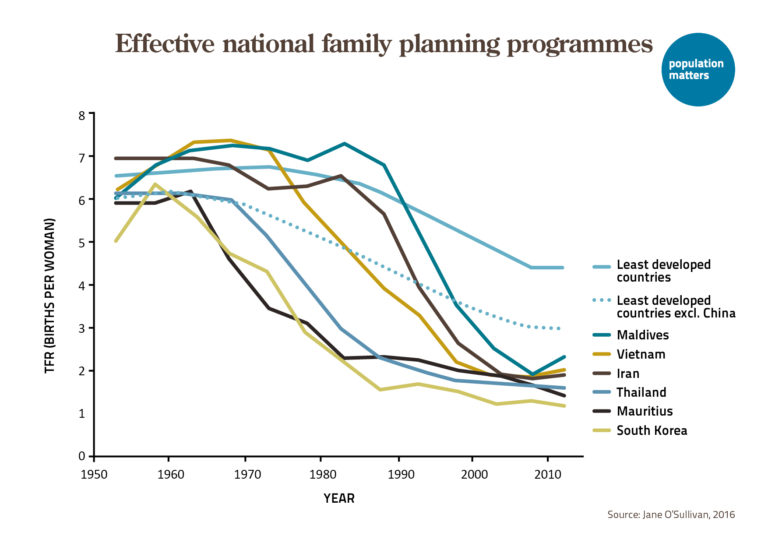
The examples above highlight the predicament of population policies according to the gospel of Cairo. In the last thirty years this policy has proven to be ineffective. Merely stressing the sexual and reproductive health and rights of women in a context where men rule makes no sense. Governments supported family planning and strengthened reproductive health services when they believed this was necessary for economic development; empowering women was a co-benefit. Removing the economic motive has meant less progress for women’s health and rights, not more. The UN’s rhetoric insists that demographic targets inevitably lead to coercive measures that abuse human rights and individual freedoms, but many successful voluntary programs show this to be untrue (see here, here, here, here, here, and here). Indeed, it is a very damaging lie that has impeded women’s emancipation and deepened poverty and environmental crises.
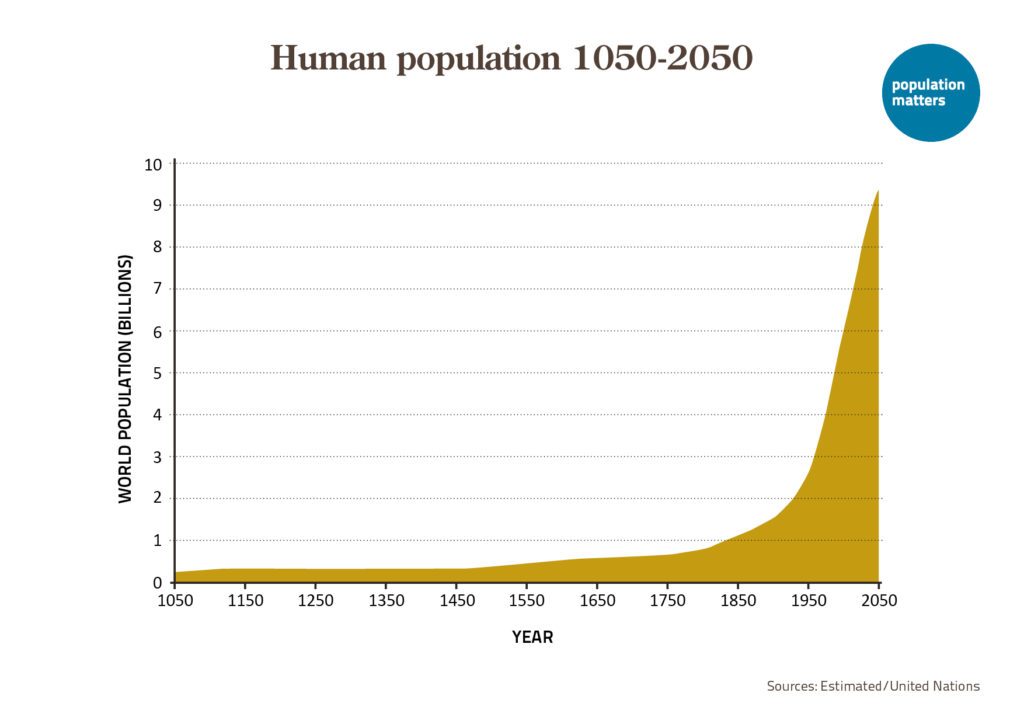
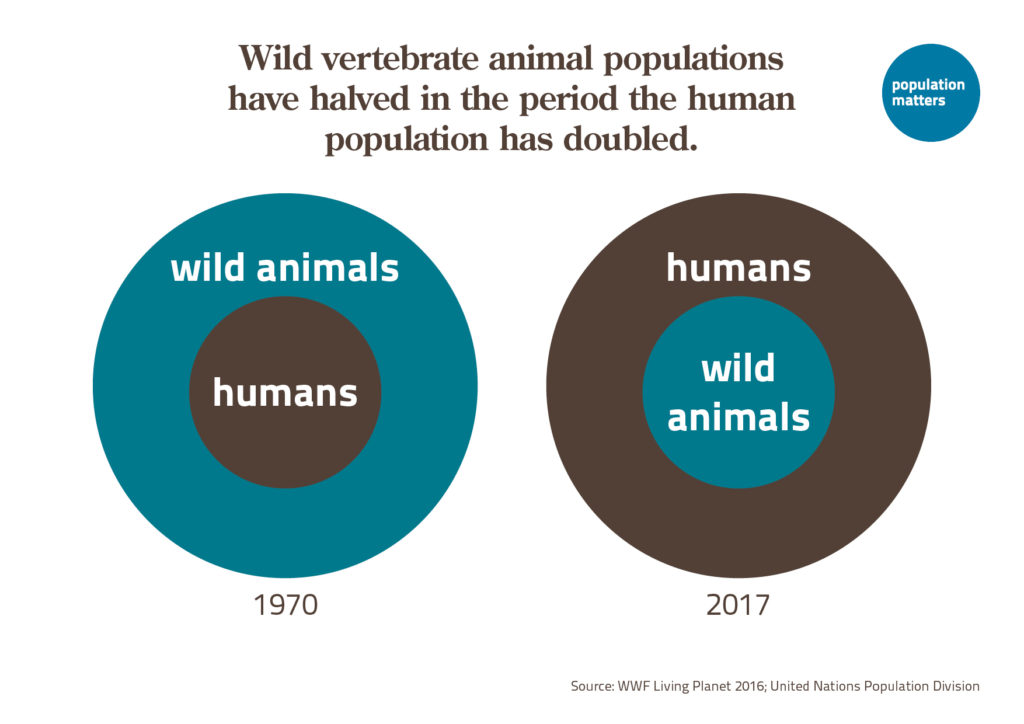
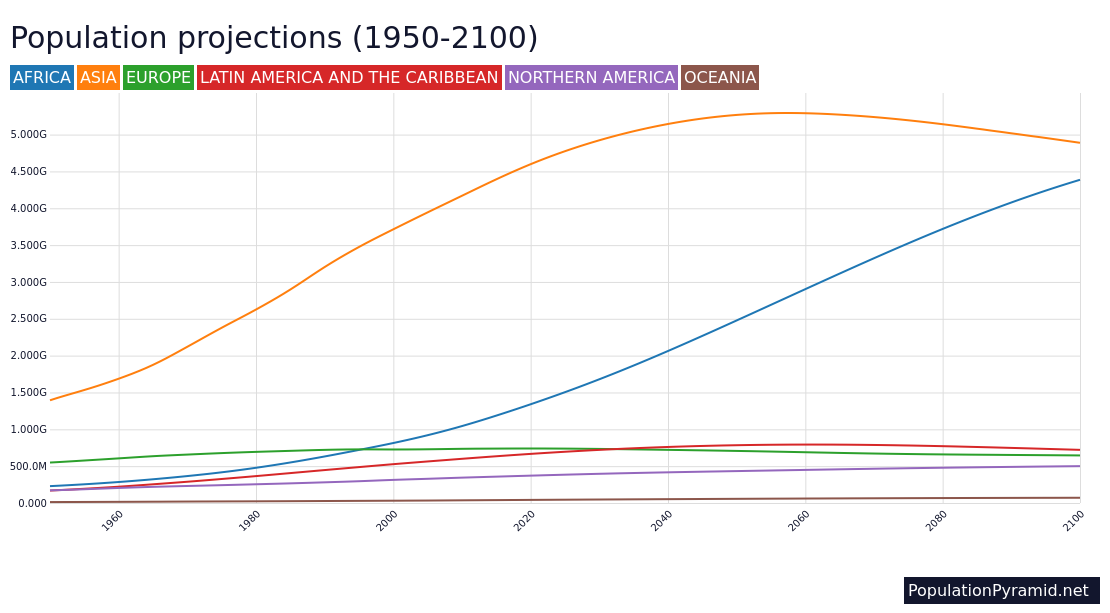
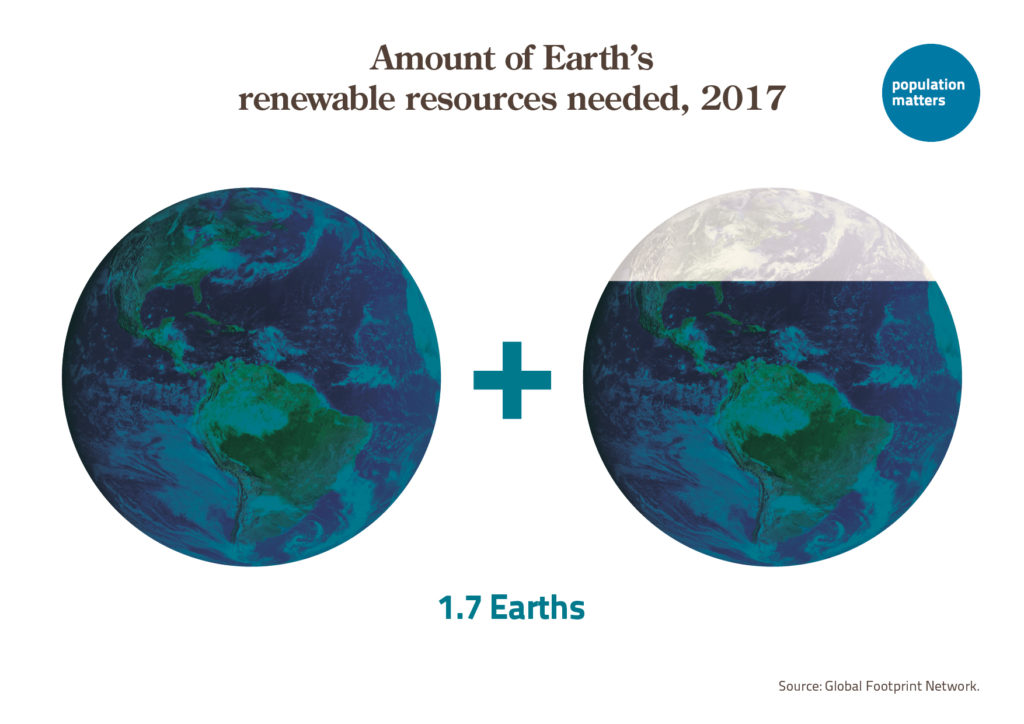
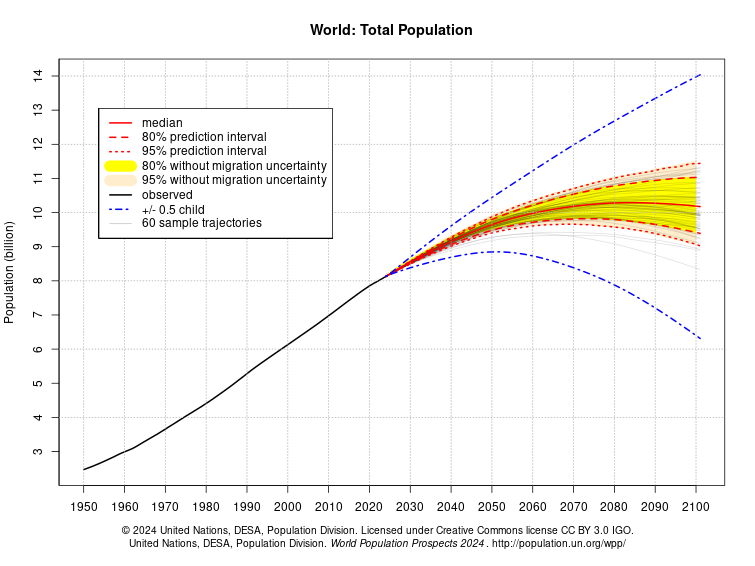
Since Cairo the world population has grown from 5.7 billion to 8 billion people. The number of Earths needed for human consumption and the absorption of pollution went up from 1.3 to 1.8. It is obvious that we cannot wait another thirty years for women having to conduct a lonely fight for their emancipation in an adverse environment, facing domestic violence and male domination. In the present situation of the Earth I would propose to rename the report. Not 8 Billion Lives, Infinite Possibilities, but: 8 Billion Lives and Counting, Infinite Consumption and Pollution .
Jan van Weeren is secretary of the Dutch Foundation against overpopulation.











Leave a Reply