
A major new review of the state of the environment by the United Nations Environment Programme (UNEP) provides a comprehensive and refreshingly honest exploration of the root drivers of environmental degradation, and stresses the urgent need to overhaul how we live on this planet.
by Olivia Nater, originally published by Population Connection
The 7th edition of the Global Environment Outlook (GEO-7) is a whopper of a report — 1,242 pages long and produced by 287 scientists from 82 countries. It is arguably the most important UN report in recent years, providing the latest detailed information on the state of air, land and soils, oceans and coasts, and freshwater, and on all environmental crises, as well as their interconnections.
In the GEO-7 foreword, UNEP Executive Director Inger Andersen cautions,
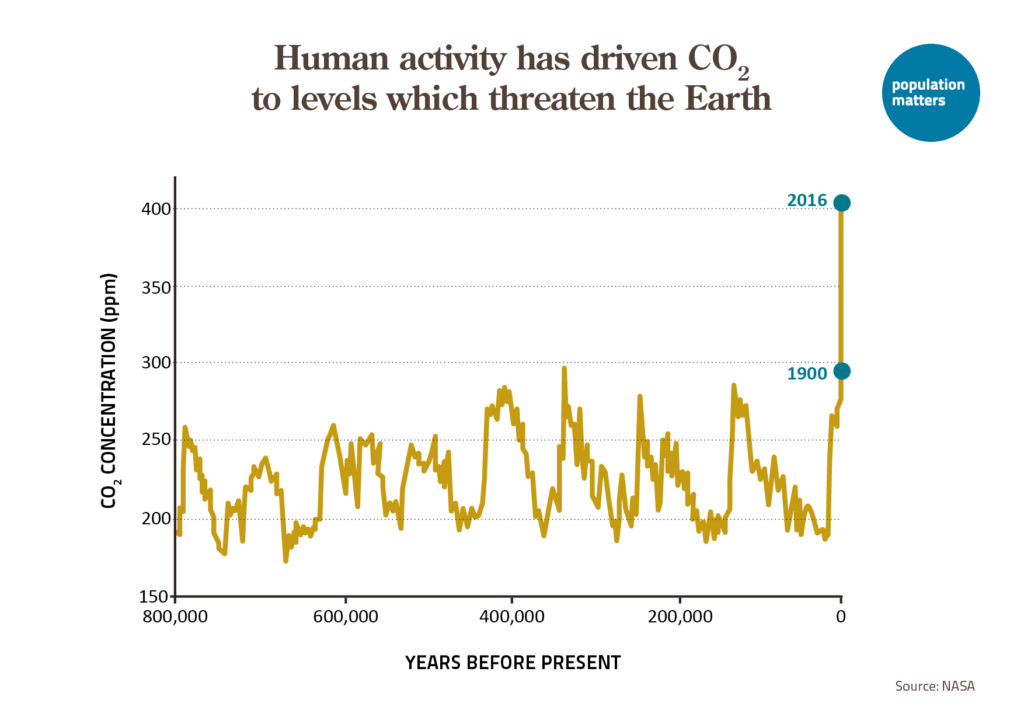
“Humanity now faces perhaps the biggest choice it will ever make: continue down the road to a future devastated by climate change, dwindling nature, degraded land, and polluted air, land and water, or change direction to secure a healthy planet, healthy people and prosperity for all.”
Unpopular findings
The report is very candid regarding the fundamental drivers of our planetary crises — population growth, overconsumption, and growth-dependent, extractivist systems — as well as about the fact that the only way to change course and prevent catastrophic tipping points is by profoundly transforming our economies and societies.
It is thus no surprise that the report was not popular with government representatives. The normal process for major reports like this is to publish an accompanying “summary for policymakers” — a brief document outlining key conclusions and recommendations. The content of this summary document, however, has to be approved by UN member state representatives. Apparently, there was so much resistance to the findings by some countries that no agreement could be reached.
The cost of inaction
Presumably bearing in mind the fact that governments are generally more motivated by economic incentives than sustainability, the authors also stress that the financial burden of inaction will far outweigh the cost of action.
The report explains how harmful human activities, including the burning of fossil fuels, the destruction of nature, and pollution — aside from claiming millions of human lives — generate tens of trillions of US dollars in environmental damages every year. Making necessary investments in planetary health, on the other hand, would generate at least $20 trillion in annual economic gains by 2070.

Recommendations
The GEO-7 authors argue that the environmental and health costs of energy, food, and materials must be factored into their prices, which would help direct producers and consumers towards more sustainable choices.
Specifically, the report urges a shift away from fossil fuels and meat-heavy diets, towards renewable energy and plant-based diets. It recommends replacing GDP as a measure of economic well-being with indicators that also reflect human and environmental health. The report endorses the “One Health” approach, which recognizes that the health of people is closely connected to the health of animals and of our shared environment. Finally, GEO-7 calls for a transition to circular economic models that reduce waste and harmful substances, and for the expansion of protected areas and restoration of degraded ecosystems.
GEO-7 lays out detailed step-by-step “solution pathways” for transforming energy, food, financial, material, and environmental management systems in a just way that reduces inequalities. The authors even provide tailored pathways and scenarios for countries with different economic contexts (high-income, medium-income, and low-income), and emphasize the importance of regional and international cooperation.
GEO-7 on population
At a time when the role of human population growth in environmental degradation is widely overlooked, GEO-7 is astonishingly comprehensive in its coverage.
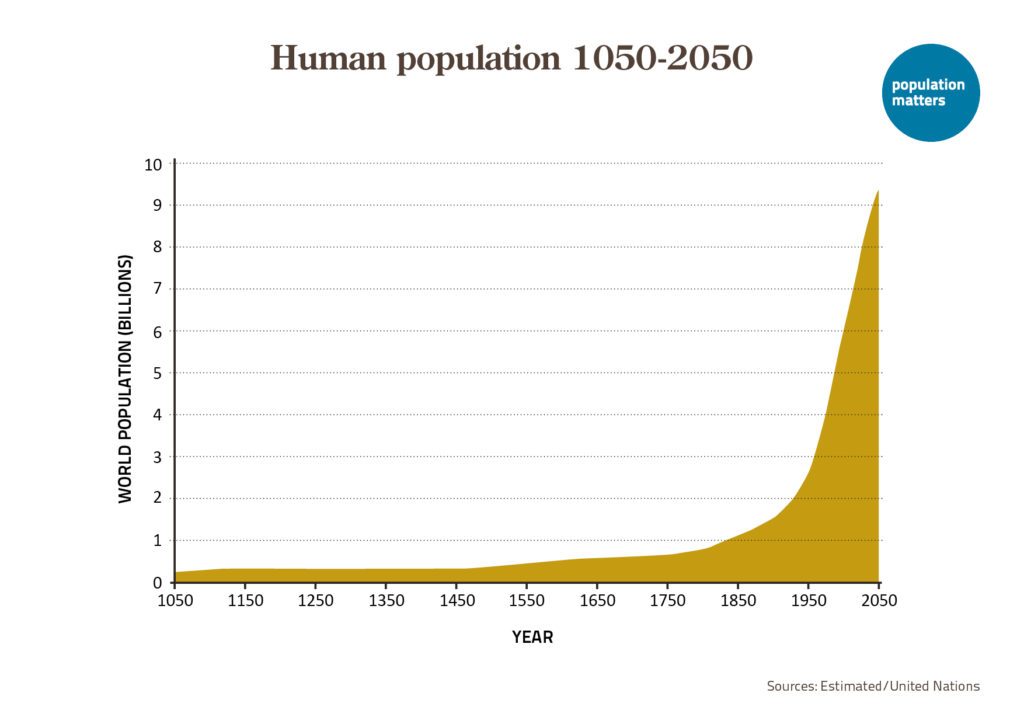
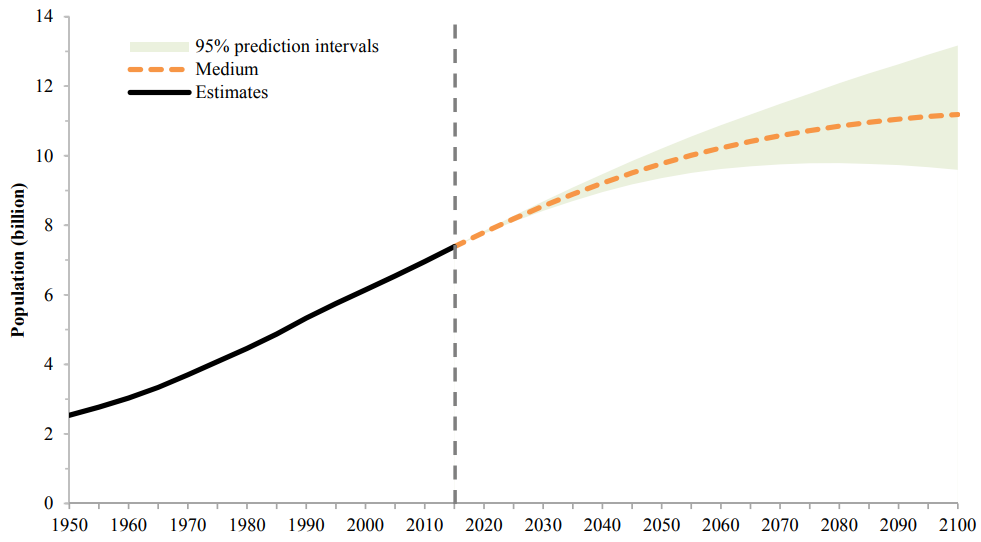
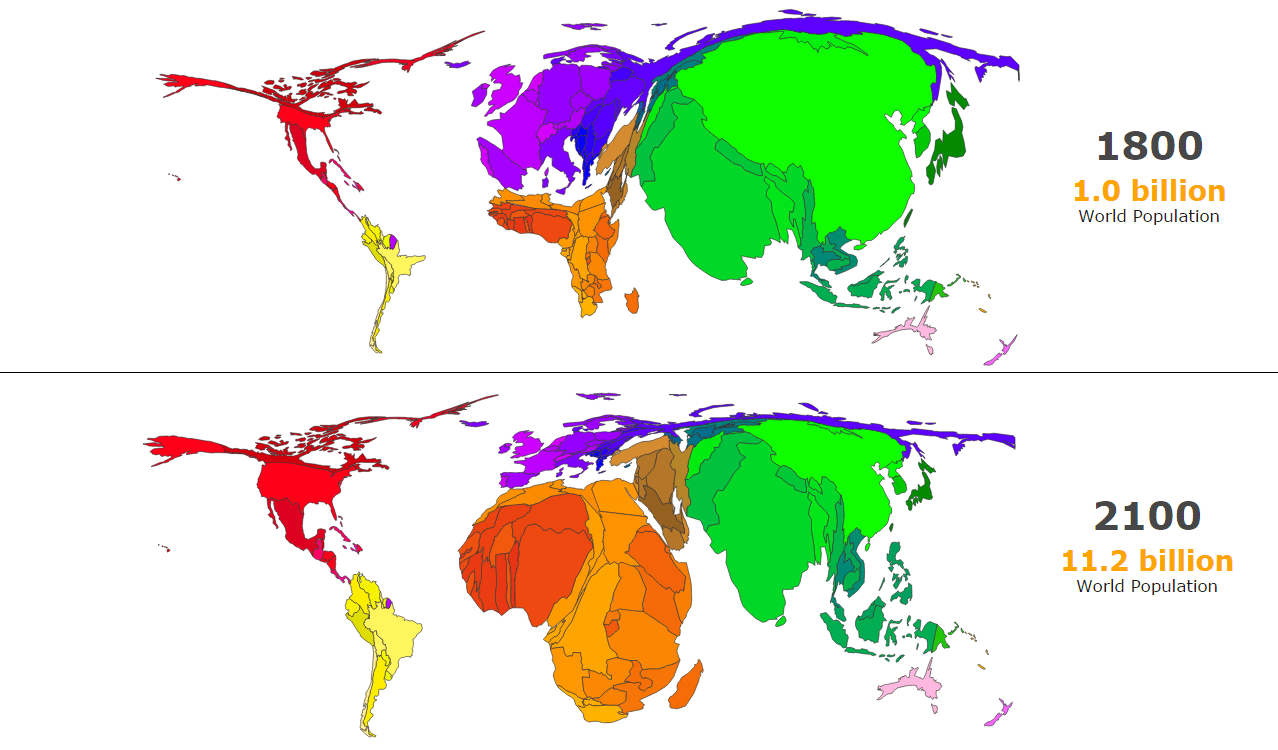
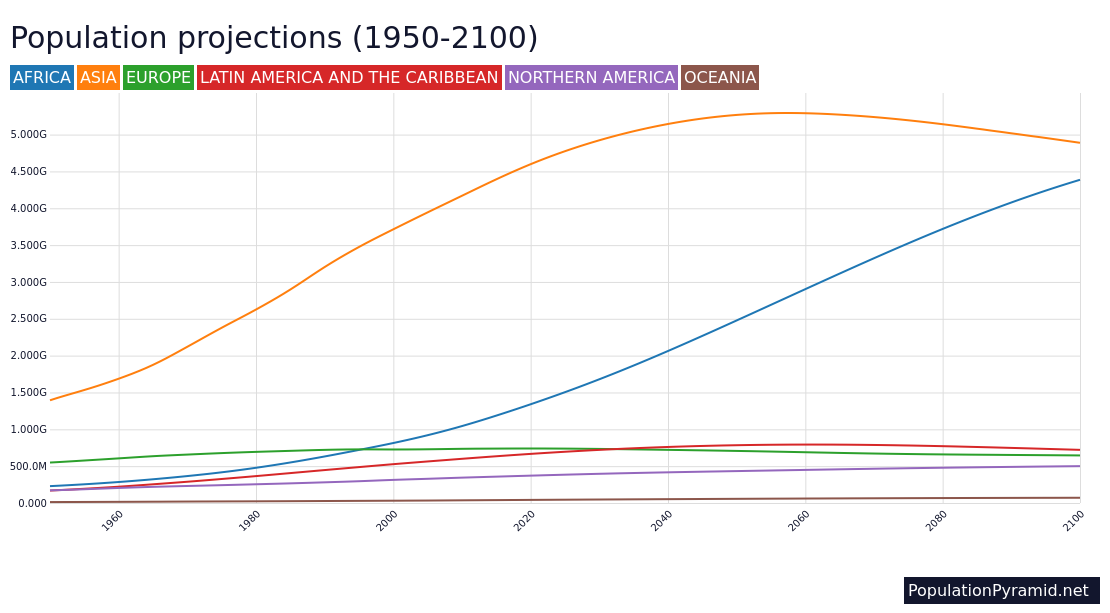
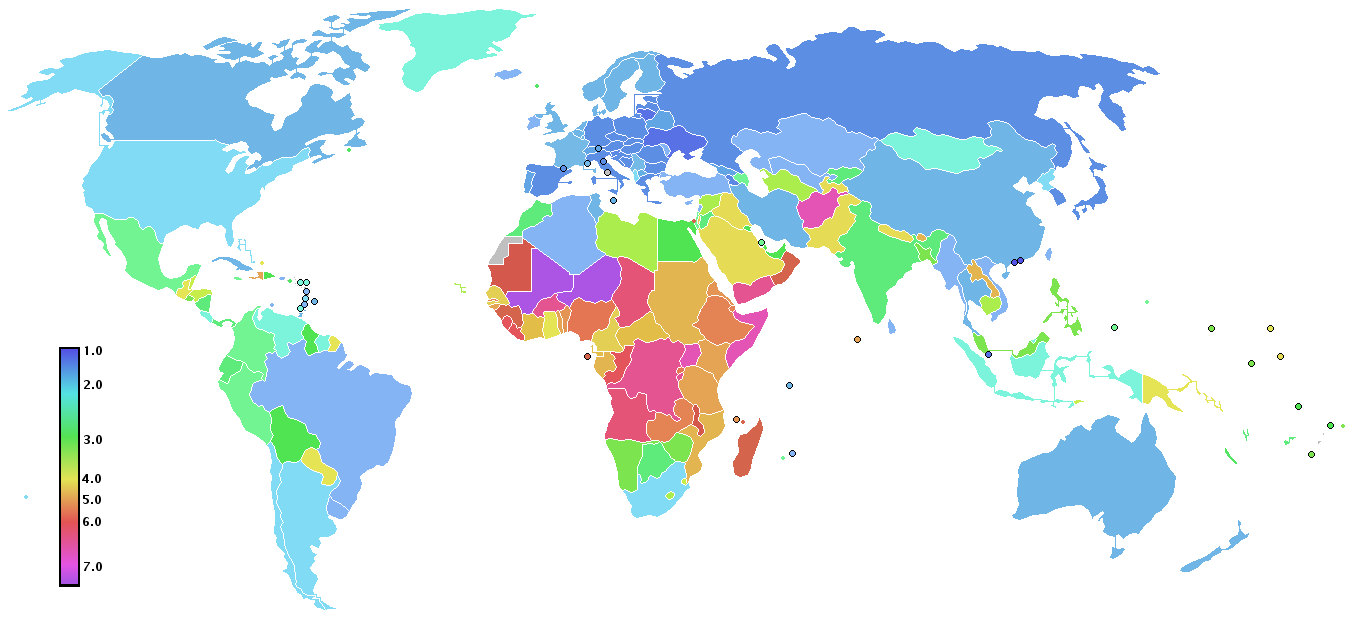
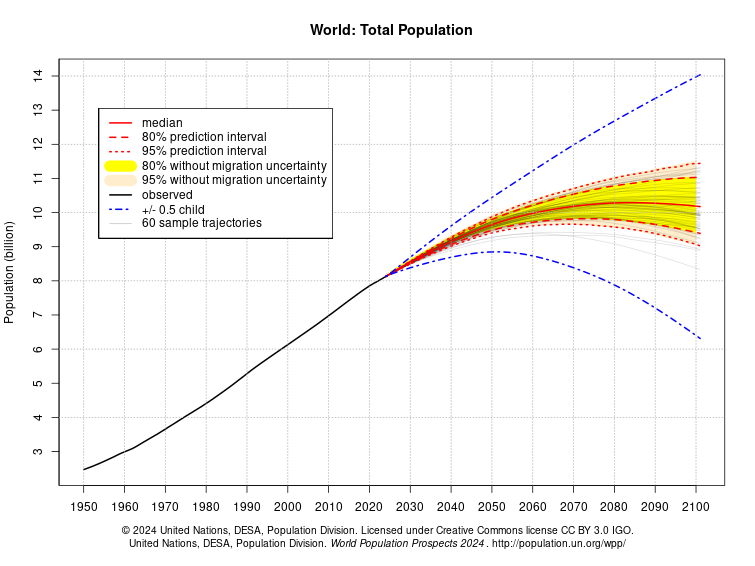
For example, it points out that the global human population grew from 3 billion in 1960 to 8 billion in 2022, and is projected to exceed 10 billion by the end of the century. The authors warn,
“Rising per capita wealth, combined with population growth and prevailing patterns of production and consumption, is likely to generate demand for goods and services that exceeds the planet’s capacity to safeguard the global environment’s vitality and to support sustainable and equitable human development.”
GEO-7 states that demographic trends “are significant because population size, distribution, and composition, as well as demographic processes of fertility, mortality, and migration, are closely connected to the level and type of effects on natural resources and the environment.”
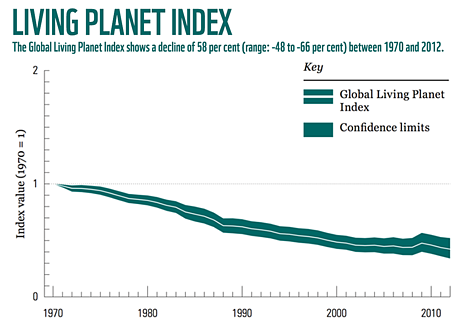
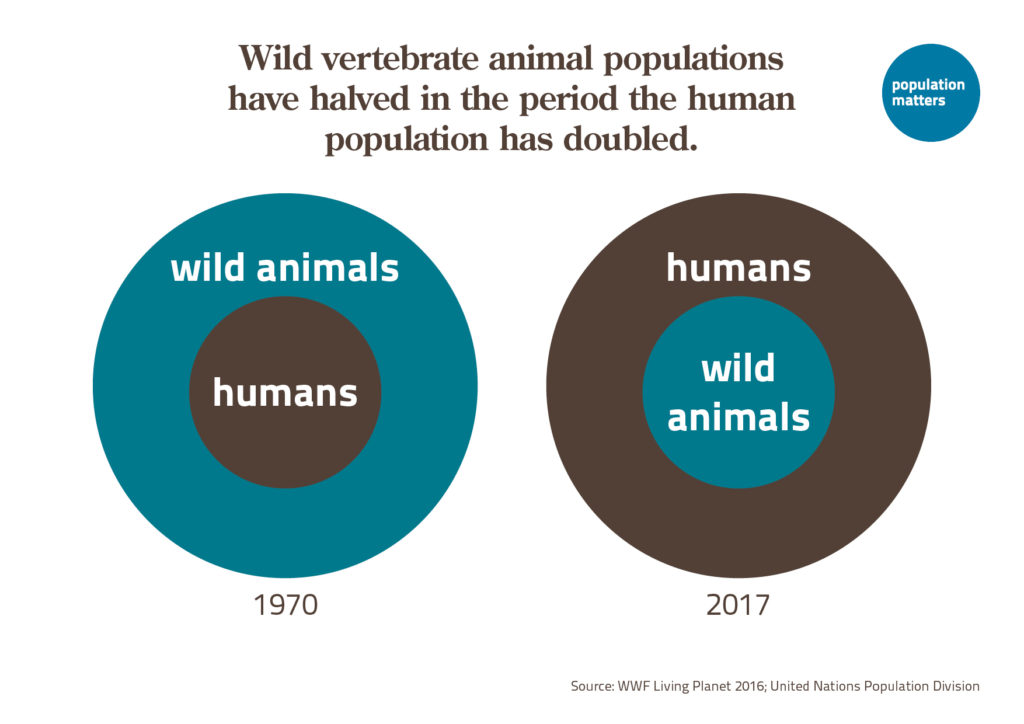
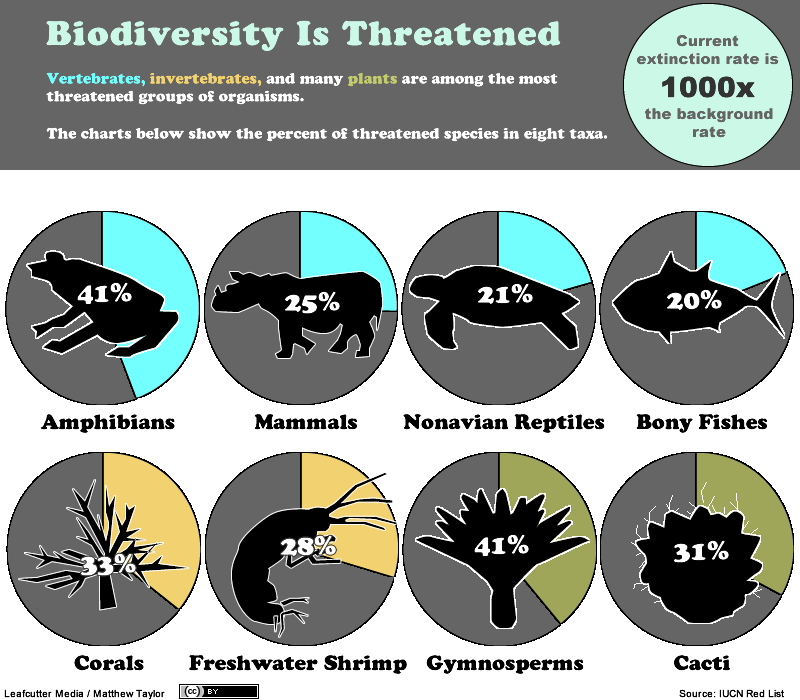
The report notes that the role of human population growth is most evident in biodiversity decline:
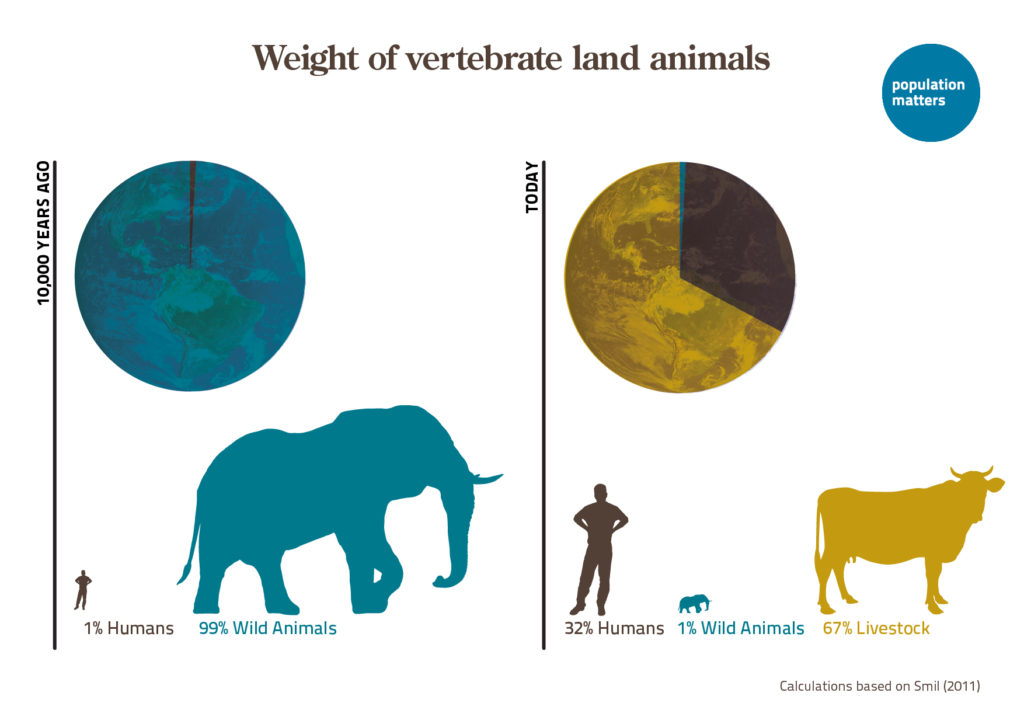
“This is largely due to increased demand for food production, which leads to agricultural expansion and land degradation. As the population grows and consumption rises, fewer resources and less habitat are available for non-human species.”
It goes on to explain,
“…agricultural expansion is the primary driver of land-based biodiversity loss, while overfishing is the leading cause of marine biodiversity declines. Both are worsened by an increasing human population through higher consumption and production. Rising rural populations lead to the conversion of wildlands into farmland, particularly among small farm households, while growing urban populations increase demand for animal protein, which is increasingly produced by large export farms.”

GEO-7 doesn’t even shy away from suggesting that the majority of the world is likely overpopulated:
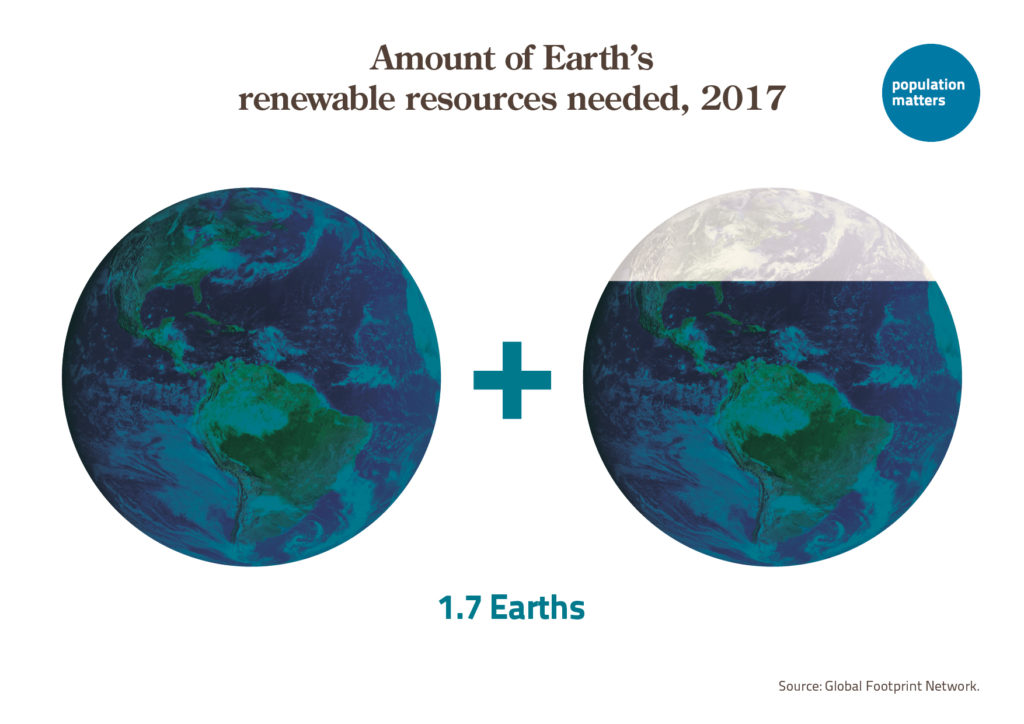
“Overpopulation occurs when the total human population multiplied by per capita consumption surpasses the capacity of sustainable ecosystems and resources. Although the global human population continues to grow, per capita consumption is increasing at a faster rate. To the extent that people are disrupting natural habitats and degrading ecosystem services for future generations, despite regional heterogeneity, some research suggests that most of the world’s nations may be considered overpopulated.”
The “depopulation dividend”
In light of governments and economists around the world fretting over low birthrates, GEO-7 is a welcome voice of reason:
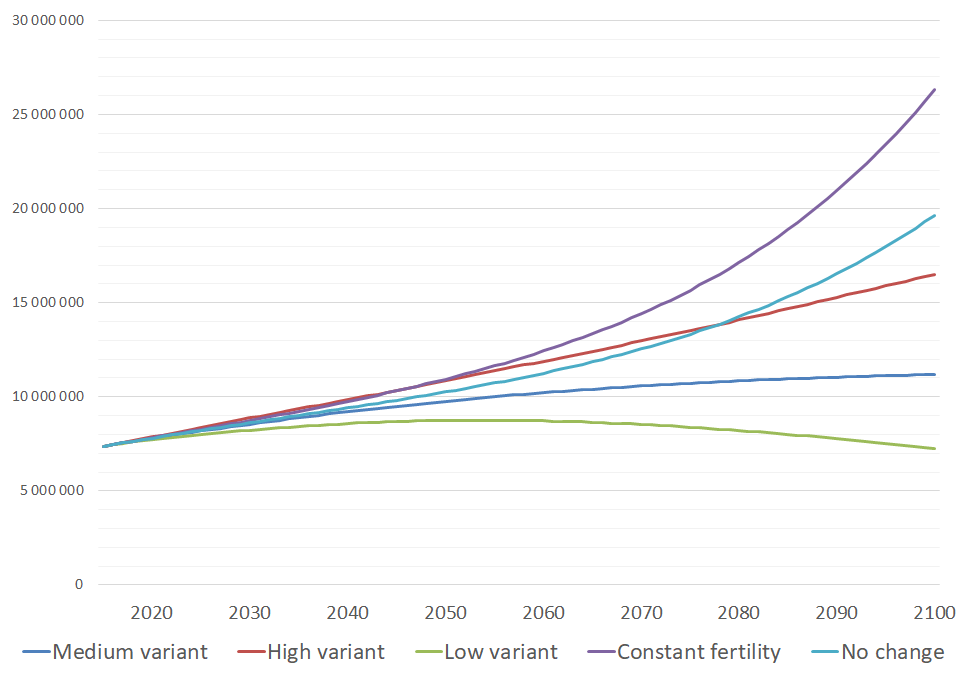
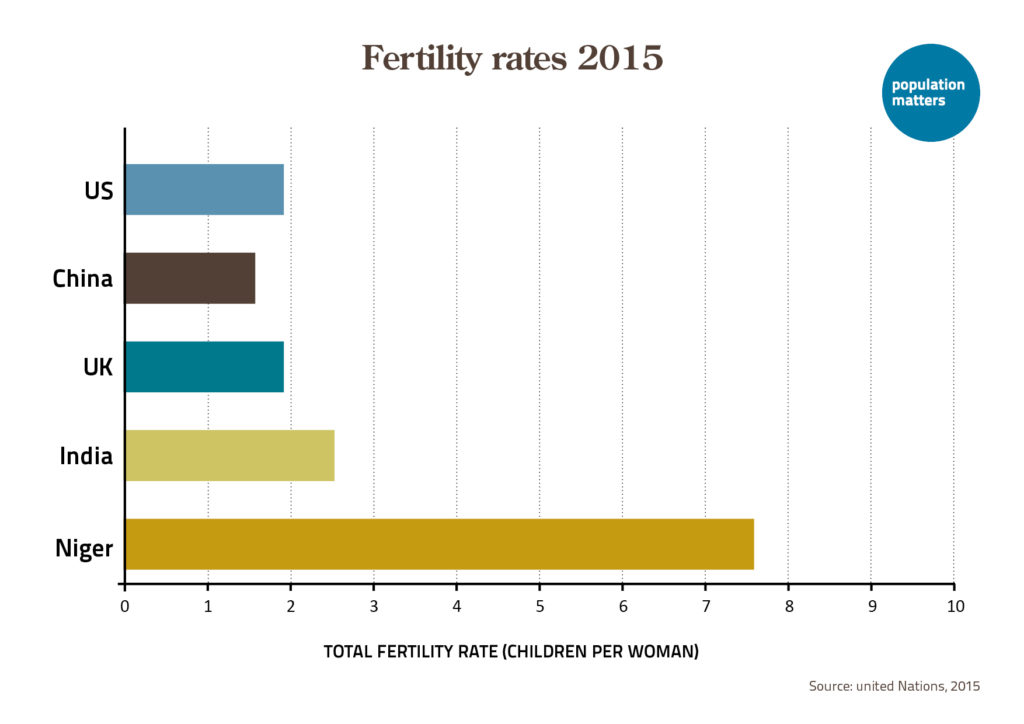
“Although declining populations may present short-term economic difficulties, the current global population greatly exceeds levels compatible with maintaining biodiversity and ensuring sustainable human well-being, especially considering recent consumption patterns. Some studies suggest that Earth could support a larger population, but recent research indicates that a sustainable world, even with improved consumption and production, should not surpass two to three billion people. However, UN projections show that reducing fertility by half a child below the most likely UN medium variant rate would decrease the global population in 2100 by over 3.2 billion, from 10.2 billion to about 7 billion in the low-fertility scenario.”
The report points out that projected population decline in countries with high consumption rates creates “opportunities for wildland restoration — a natural and social “depopulation dividend” — provided that unsustainable consumption does not increase simultaneously.”
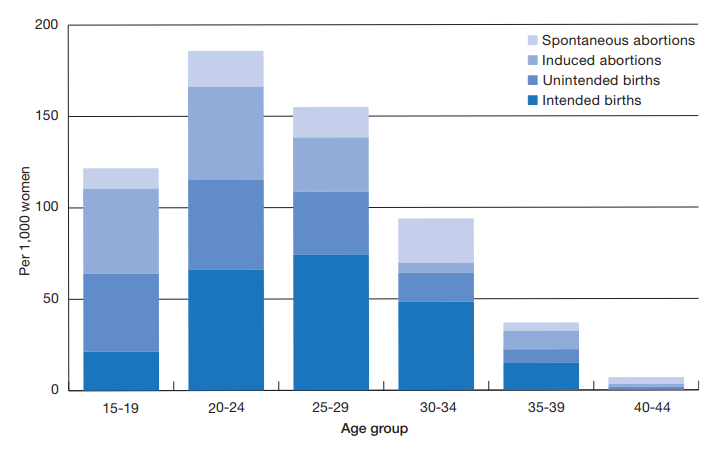
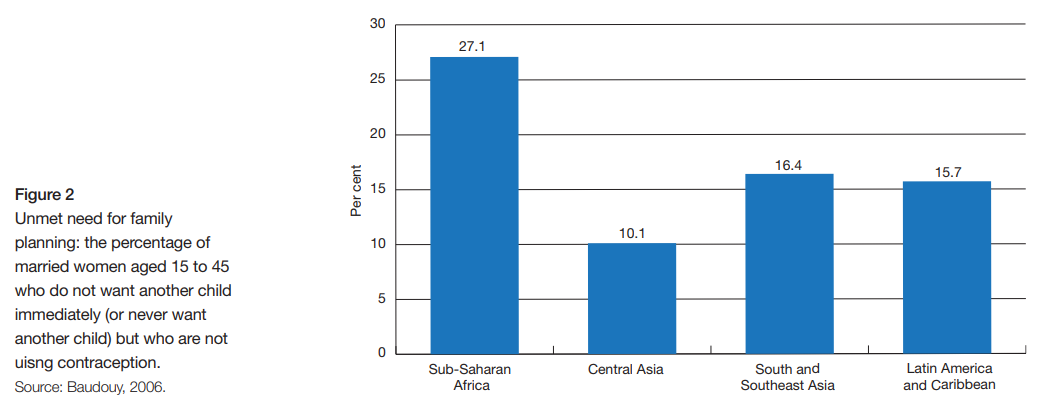
GEO-7 highlights that “universal access to modern contraception offers a potential win-win situation for women’s empowerment and the environment,” and that “ensuring universal access to education and healthcare, particularly by advancing girls’ and women’s education and empowerment, as well as reducing natural resource consumption, is essential for protecting environmental sustainability for future generations.”
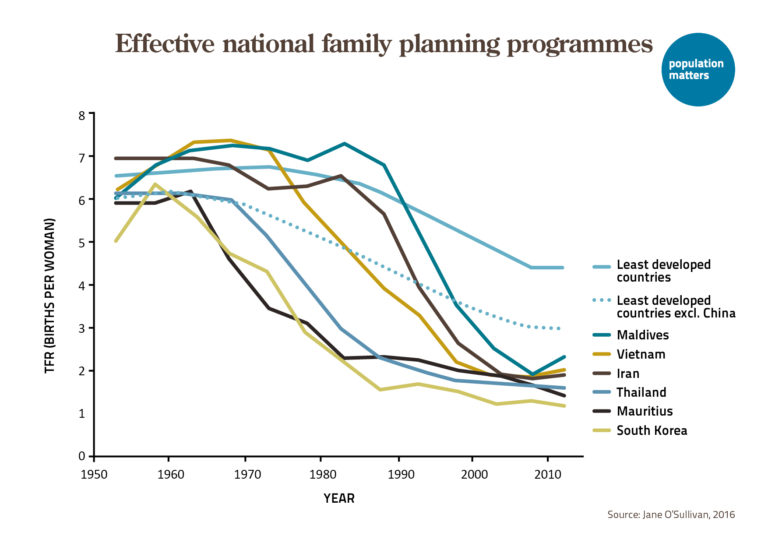
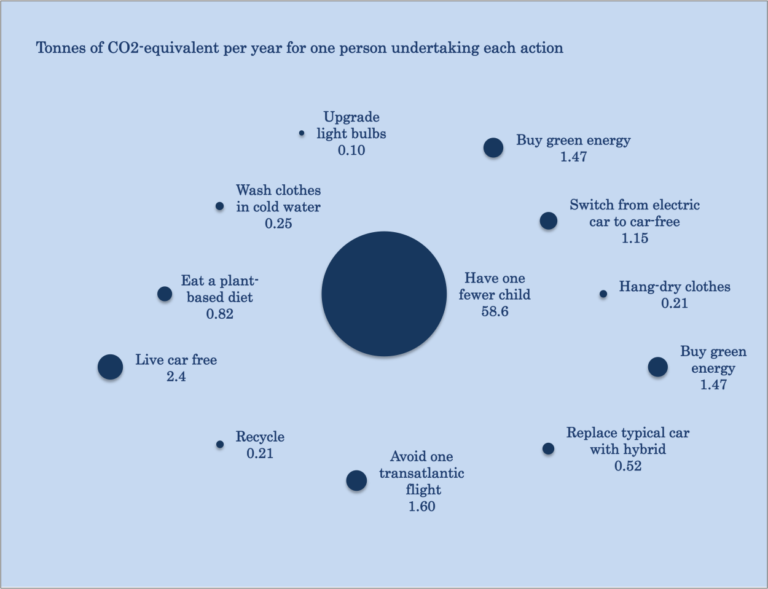
The report notes the effectiveness of promoting the health and economic benefits of smaller family sizes in reducing population growth. It even states that removing barriers to contraception and encouraging smaller family sizes (through media outreach as well as tax and benefits policies) are “a moral duty that also yield environmental benefits for both nature and people.”
Will policymakers and environmental advocates take note?
The sad fact that many government representatives refused to even accept this important report’s findings does not bode well for the likelihood that its recommendations will be adopted by policymakers at a meaningful scale.
Nevertheless, we can hope that at least many environmental advocates will read it and join together in calling for the full suite of necessary solutions to solve our interlinked planetary crises and ensure a future for all forms of life on our planet.
This piece was originally published by Population Connection.











Leave a Reply