Is it selfish not to have children?

Childless people are often accused of selfishness. Our Italian colleague explores the nuances of motivation, sacrifice, duty and love embedded in our choices.

by Gaia Baracetti

It is one of the most common retorts – especially in more traditional cultures – to someone who says that they don’t want children: that they are selfish. People who do not want to reproduce are selfish people. But why?

On the surface, it is easy enough to understand the reasoning: childfree people don’t want to lose precious sleep, to give up a significant chunk of their disposable income and most of their free time, to risk their body if they are women and their relationship if they have one, and to commit to a lifelong responsibility with unpredictable demands. In short, they are unwilling to make sacrifices for others.

There are plenty of ways to create community and a sense of meaning without the need to have children. Is that intrinsically selfish?

Except, maybe they aren’t. The interesting part of the accusation of selfishness to childfree people is that it assumes people ought to be generous to someone who doesn’t even exist yet. They are supposed to be wanting to create a new human being in order to give up something precious for them. Instead of making sacrifices for the sake of those who are already here, they need to produce someone new to make sacrifices for. That is, unless we assume that having children is actually a duty to someone else: to society, to one’s one parents, to a partner or to humanity itself.

The partner argument is straightforward: some people desire children while at the same time they desire to be with a specific person who doesn’t. Something’s gotta give. So said partner makes the decision to have children in order to make their beloved happy – or not to lose them (which already comes across as a little self-interested). Calling such a decision generous or selfless seems to imply that some desires are justified and others are not. Why can’t the child-wanting partner make that sacrifice instead? How will the children feel once they find out, or sense, that one of their parents didn’t really want to have them? Sometimes it works out great – one of the advantages of partnership is that a person can make another do something they would not have chosen to do, but that they ultimately enjoy. But other times it doesn’t, and it ends up damaging the children too.

Sometimes it is parents who demand grandchildren, raising the question of whether this is a reasonable expectation. What is the gift of life, after all, if not a gift of freedom? We are created, each one of us, out of nowhere, to do with our own existence whatever we want. Or so we assume, today – in most human societies people would be born with inescapable obligations. In ours, we think we are not, that the best of parents will support their children no matter what they choose to do with themselves. But if the gift of our life comes with demands to reproduce, or to care for the elderly – is it really a gift? Or is it rather, once again, an obligation we didn’t ask for and cannot escape? Some parents will try to convince their offspring to have children by claiming that life is not meaningful without them, thus stating a paradox: life is the greatest gift one can give, but said life is meaningless unless one reproduces in turn… so the gift of life is precious only under the condition that it continues to be given in the same form.

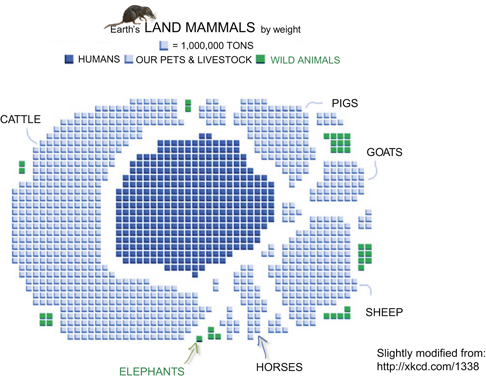
There is then a supposed obligation to society, which is similar, but more expansive, than that owed to one’s parents. We need to have children because they will pay our pensions. Because they will support us in old age. Because a greying, aging society is sad and not innovative and the economy doesn’t grow and the schools will be empty and the people who don’t look like us will take over. We’ve all heard versions of these arguments: people who do not have children are not fulfilling their duty to society, whether that society is defined as extended family, the nation, or humanity. But isn’t it selfish, rather, to want more people to be created so that we can retire earlier, live much longer than our “natural” lifespans, or keep economic activity growing irrespective of all the damage that it is inflicting on the non-human world, and, at this point, on humanity itself?

Is it reasonable to demand more children simply to care for the elderly?

Once we scratch the surface of unchallenged norms and widespread assumptions – and it’s a thick crust – we see that the decision to have children can be just as “selfish” as the decision not to have them. It’s just a matter of different kinds of selfishness.

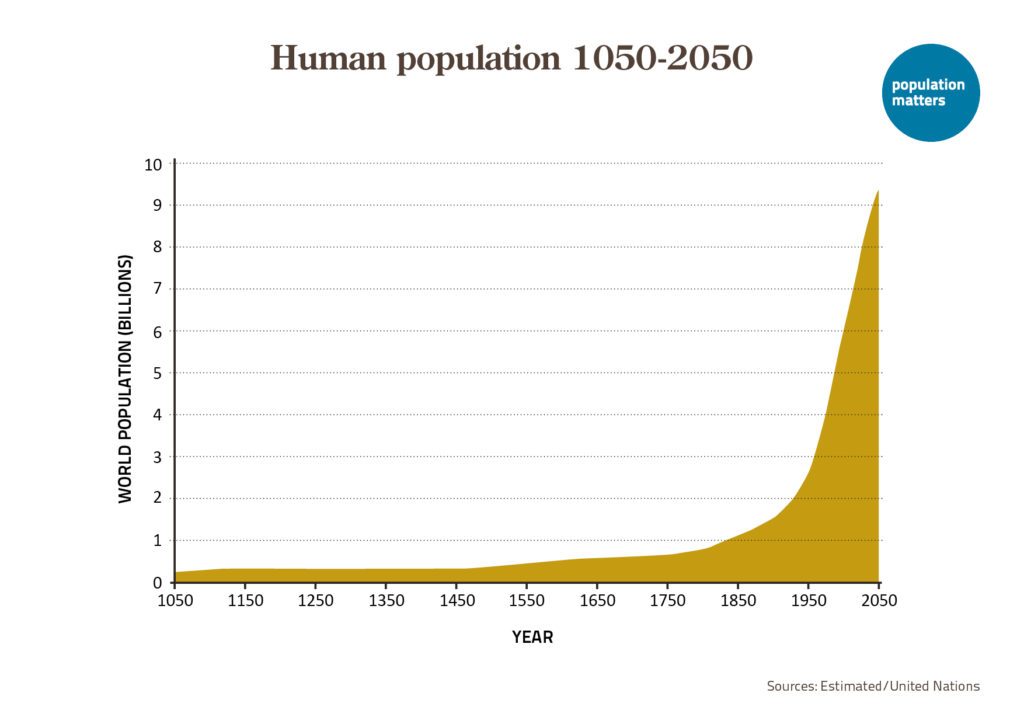
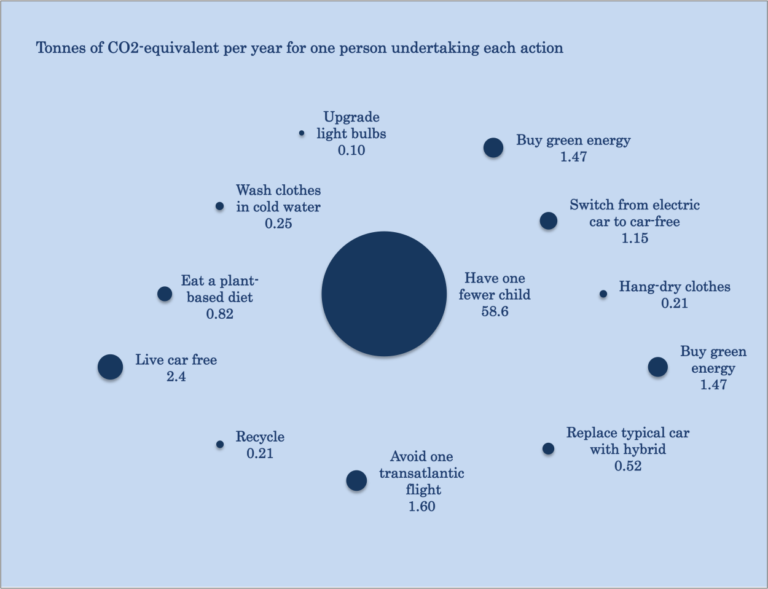
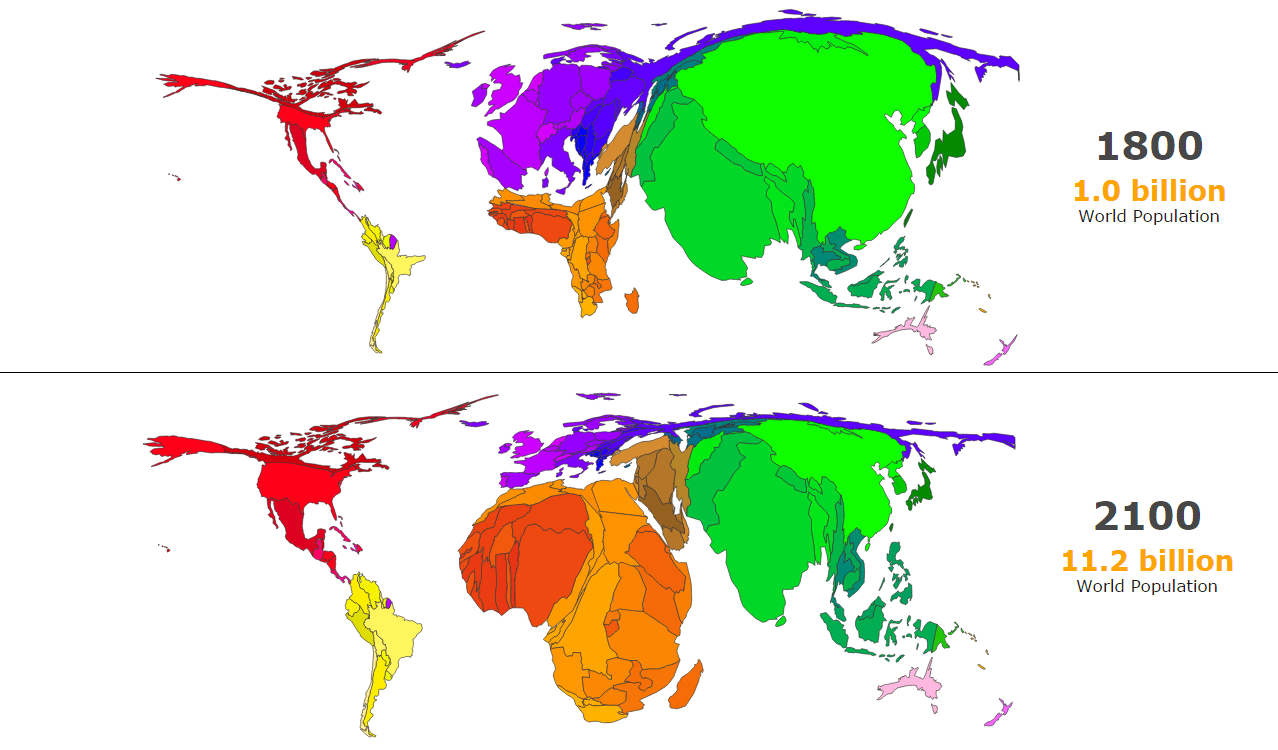
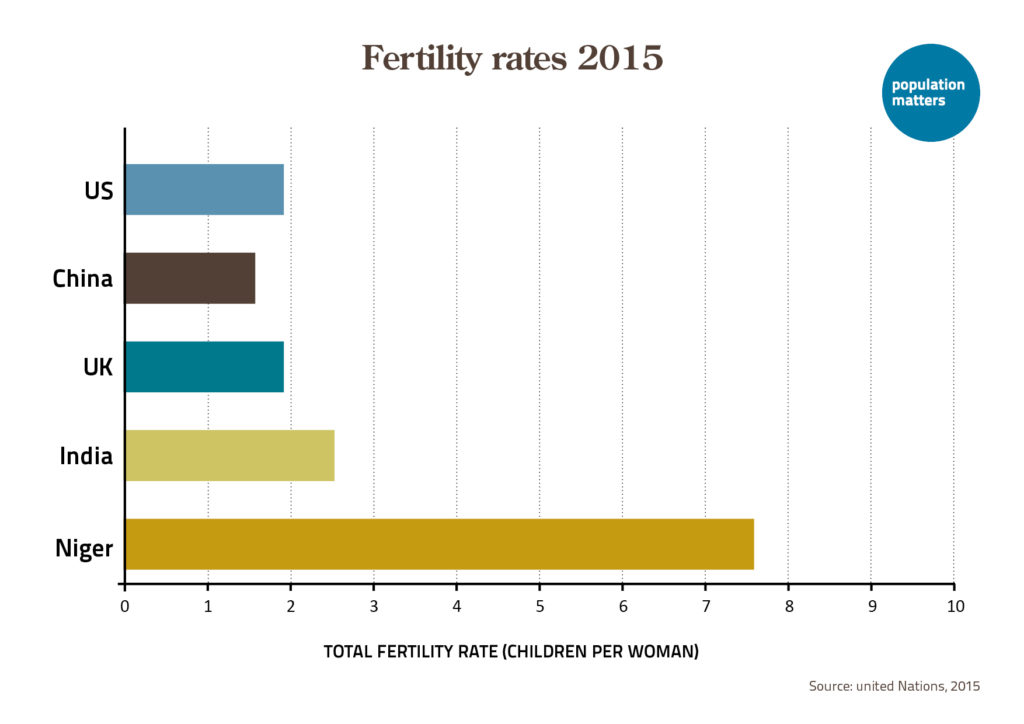
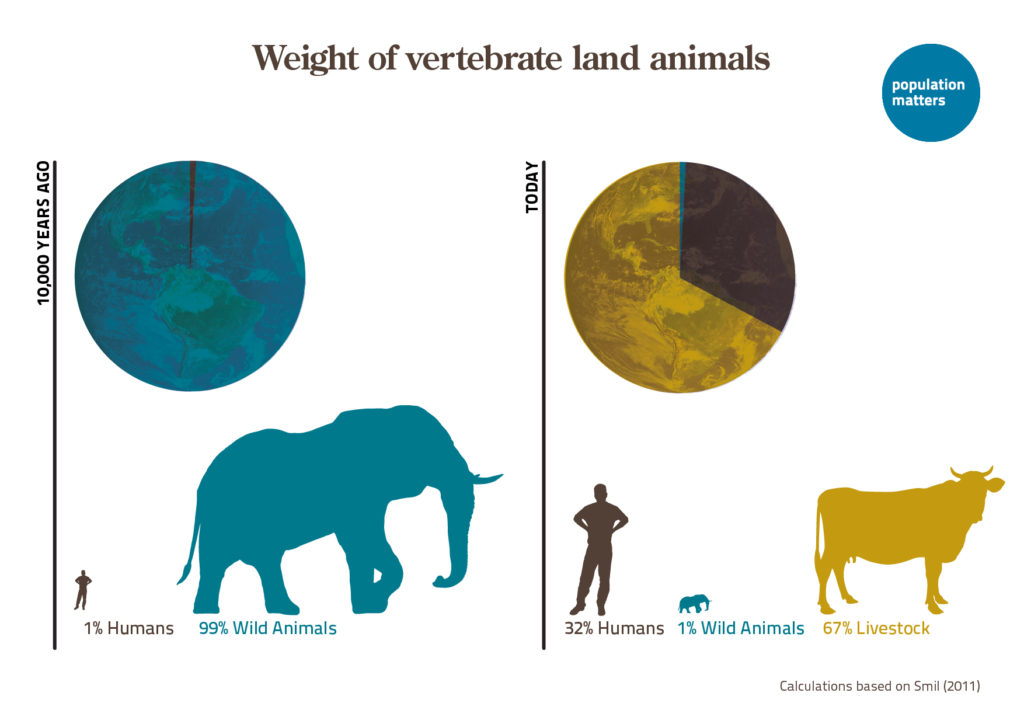
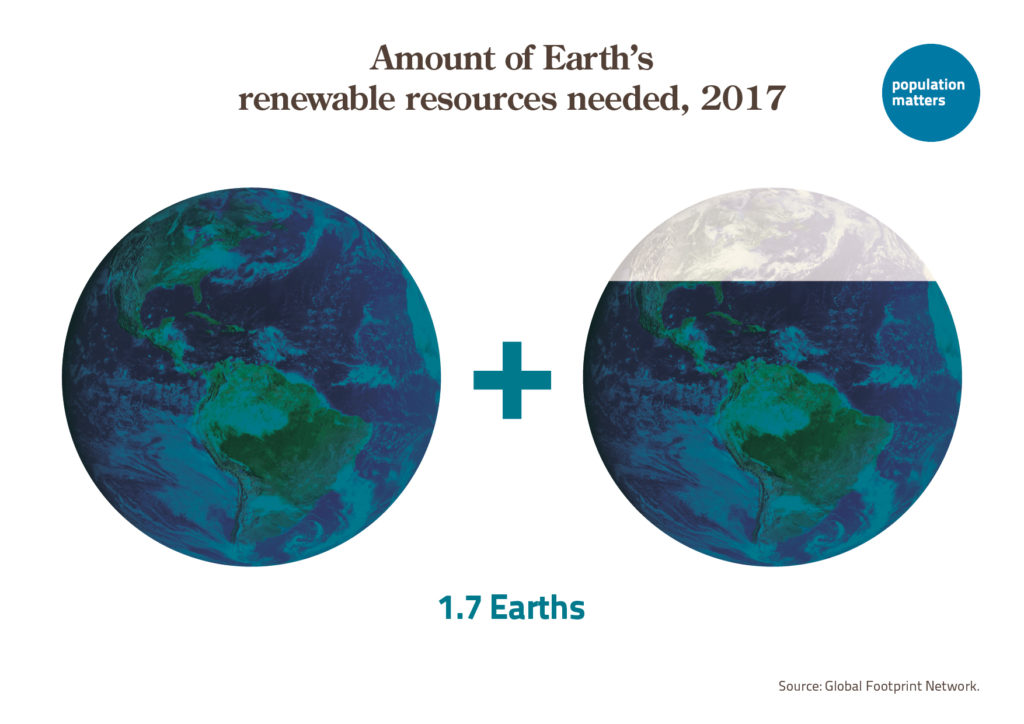
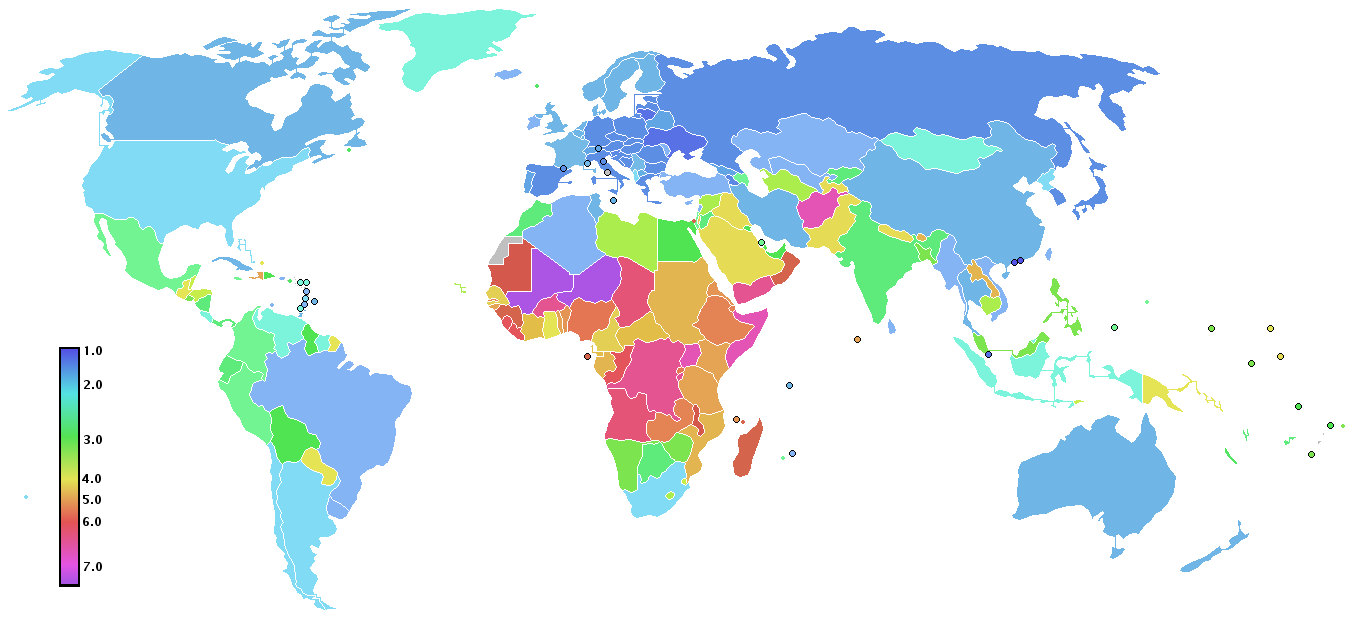
Of course, people who choose not to have children might be the kind who just want to enjoy themselves in life and never do anything generous for anyone else. The après moi, le déluge kind. However, in our contemporary societies, especially where contraception and abortion are accessible, most people have children because they think that having them will be a positive experience and add meaning and love to their lives. Personal fulfillment is the main motivation, along with the continuation of part of oneself – genes, teachings – into the future. Unless one is a supporter of the project of voluntary human extinction, one could argue that there isn’t anything wrong with such desires. After all, childfree people too are here, alive and able to enjoy life, because someone desired to bring them into the world. In this sense, then, it’s not a matter of whether but of how much. In a world overpopulated by humans, it would indeed be wrong to reproduce beyond replacement. Some would argue, given the gravity of the situation, that even two children are too many, that we should make a collective agreement to have no more than one on average until humanity is back down to a sustainable size.

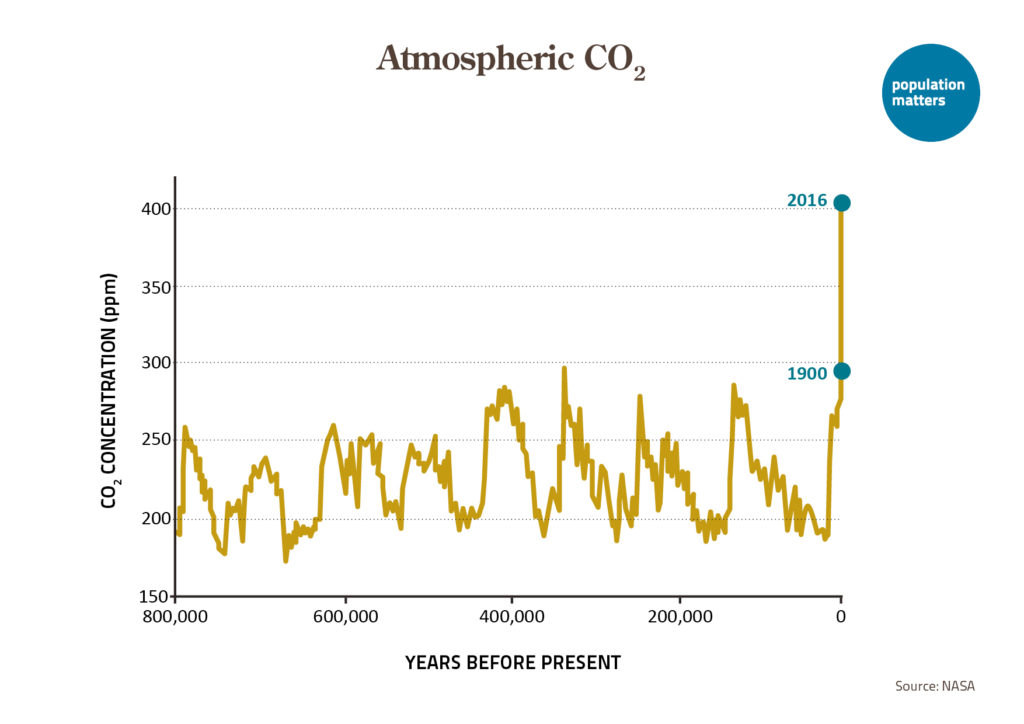
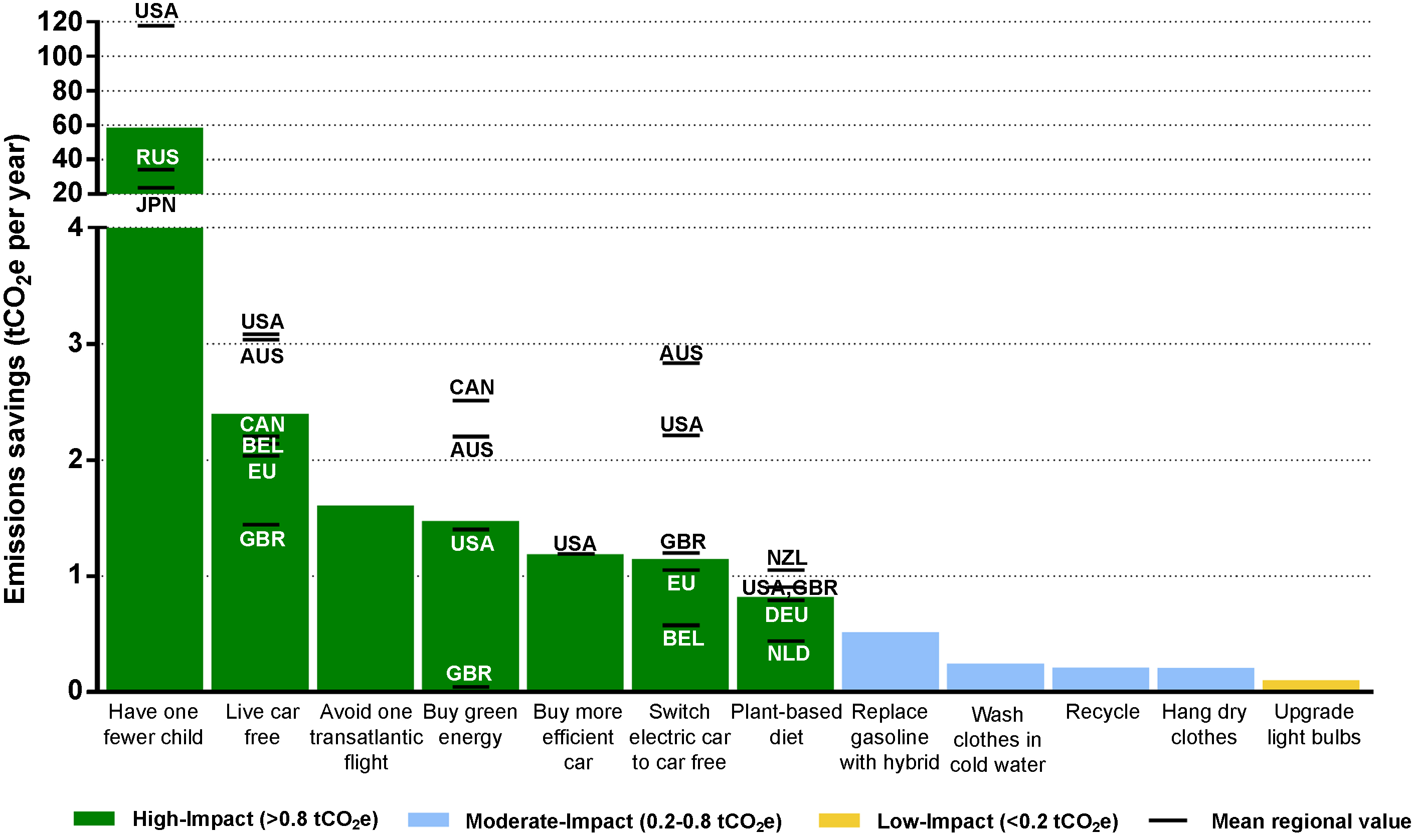
For the people who desire children the best moral decision, the least selfish one, would be to either opt not to reproduce or limit the number of children one has to one or two. This would be good for the biosphere, for the species at risk of extinction, for the health of the planet, and ultimately for humanity itself, because reducing our numbers means a better chance at life on a healthy, thriving Earth and at the experience of wonder, beauty and beyond-human relations.

For those that want children, a smaller family might be the least selfish option.

Looking at it this way, the people who do desire children and yet decide not to have them for the sake of the planet are the least selfish of all. It is easy to give up something one didn’t want in the first place, but to give up something like being a parent just for the sake of others, is something else.

This discussion, by the way, rests on the assumption that being selfish is bad, or rather, that having self-interest as the only guiding principle, always placed before one’s duty to others, is bad. Humans are social animals; we evolved and are forced by our biology to put our collective interest, at least some of the time, above our individual one. That our modern, Western, individualistic societies have temporarily obfuscated this fact doesn’t make it less true. The most successful of these societies are based on social contracts that are more impersonal but no less strong and that require every individual to support the group in some way.

Humans are limited. Everything we choose to sacrifice ourselves for inevitably comes to the detriment of something else. It does happen that some children of very successful or very altruistic parents come to resent them – even as they admire them – because of a perceived lack of attention, or for having had to grow up in a chaotic household. Many people struggle to balance even just a full-time job and childcare responsibilities; our society also demands vast resources of time and money to be dedicated to consumption, entertainment and travel, so, from the point of view of society, people who have children often disappear from everywhere except their homes and workplaces (and chosen holiday destinations). Does this weaken a society’s cohesion, inclusiveness and mutual support? There is a specific kind of loneliness, not usually discussed, experienced by people who have no children while their peers have started a family. Seen from their perspective, the decision of having children, while unassailable, can often mean, for other adults, less friends to talk to during a difficult time, less help for one’s social or environmental causes, less company, and, ultimately, less of that most precious thing – the attention and love of other people. How narcissistic! one might think. How entitled! To assume that people should pay attention to you and your cause more than to their own kids!

But no one assumes that – now. There certainly have been societies or historical moments when one had to forsake oneself and one’s family when a bigger cause called. The letters of the Italian partigiani, for example, are full of expressions of love for their parents, siblings, wives, children, accompanied by the clearly stated sentiment that the duty to defeat the Nazis took precedence. And that, at the same time, their sacrifice was not made only out of an abstract sense of country and for the world to be rid of that scourge, but also for their immediate kin and for them to be able to live freely and safely in the future.

There is a conflict, here, between two kind of duties – firstly to oneself and one’s children, which would motivate one to get on a boat and leave a war-torn country immediately, and secondly to one’s community, country and principles, which means one has to stay and fight. Usually, countries are freed by people acting on this latter kind of duty. In our individualistic, comfortable societies, we tend to forget this basic fact of human history, which is why we tend to sympathise more with refugees than with freedom fighters. And yet – being a freedom fighter is a lot more generous.

Some people with children will make the argument that one can only truly care about the future when one has children, that is, when one’s beloved (or their genes) have a stake in it. As long as someone is doing something good, it could be argued that it does not matter why they do it, and that wanting a better future for their children is still much more admirable that just living it up without caring about the mess they are leaving behind. But the aforementioned line of reasoning illuminates one of the paradoxes of parents’ selflessness – that, while the sacrifice can be supreme, there is often a personal gain of some sort to be expected, even when it’s indirect. The people with no children that do something for the sake of others or of the planet, sometimes at significant personal cost – activism, donations, politics, research, public admonition – do so out of a concern for life itself, even when they do not imagine any part of themselves directly enjoying the hopefully better future.

Love is a strange kind of currency, and how it is created, divided and multiplied is subjective and ultimately mysterious. But it is true that any one person’s time, attention and loyalty aren’t infinite. Some people choose not to have children for the sake of something they love and thus want to dedicate themselves to – be it a cause, a job, a religion, another person, their homeland or community, or the Earth itself.

Published

15 responses to “Is it selfish not to have children?”

  1. Mark Tang Avatar

    Talk about a devious and pernicious framing. The question is disingenuous to the degree that it obscures all the more essential values of living today. Gratefully, this essay goes a long way to pick apart the fallacies. But why take it up in the first place? It truly is a canard.
    Childless (free) lifestyles have been around forever for many deeply personal reasons. One of the grandest accepted considerations being a ‘vocation’ and dedication to God – via the priesthood or monkshood, or getting off to the nunnery before the suitors came calling.
    And in today’s precarious reality, the highest commitment to sacrifice and prospecting responsibly for the future may be the childfree lifestyle. Want to increase your social status and satisfy your need for ‘family’? OK, then please, adopt just one of the all too many abandoned or abused children needing the love and guidance of a responsible parent. All good! (And you can sleep easy again.)

    1. gaiabaracetti Avatar

      Mark, I decided to try and give an answer to that objection because I kept hearing it, and I think that we should engage with other points of view, even when they appear to us to be absurd.
      As for dedication to God or religion, I agree. I’ve even thought that, for a woman who knew she didn’t want to be a mother, the convent was almost the only option, which is sad if she did however want to be in a relationship. Thankfully today we have more options, and it also doesn’t happen anymore that extra sons and daughters are locked up in institutions they don’t want to be in, which has caused a great deal of misery in the past.
      Having been raised a Catholic, one of the greatest ironies and absurdities was to keep hearing encouragement to marry and reproduce and relationship advice from people who had done none of those things themselves. Of course, I do know why it is that way, and I respect that priests and nuns can possess great wisdom, but when they shame people without children, you want to tell them, look who’s talking!

  2. Laura Carroll Avatar

    Thank you for this myth busting! The pronatalist assumption that people are selfish when they don’t want children is one of the most stubborn myths. The belief that somehow having children makes us ‘selfless’ is deep in our social and cultural hardware, and could not be further from the truth. Take just two big negative impacts of a society that pushes the selfish assumption, and the myth that we are all supposed to Want children: unfit parents, child abuse and neglect. Dive deep into selfish assumption and more on pronatalism in the book, The Baby Matrix.

  3. […] Si sente spesso dire che non volere figli è da egoisti. Ma perché? Cosa significa? Ho scritto una mia riflessione su questo luogo comune, che è stata pubblicata su The Overpopulation Project (come ormai tanti altri miei interventi, che trovate ancora tutti online). La trovate qui. […]

  4. kurtklingbeil Avatar

    The short answer which is 100% sophistry free is that it is no one else’s concern – least of all those who seek to make it so.
    It is analogous to abortion which is also no one else’s concern – super especially those who petulantly elbow their way into making it so.
    Both are tinged and tainted with paternalism and unwarranted expectations.

    They are a kind of twisted projected perfectionist pathology.
    Those who dare wield the accusation of “selfishness” likely embody plenty of selfishness themselves and a dearth of perfection.

    In the context of TOP, this seems out of place – perhaps driven by insecurity and ulterior agenda

  5. Dag Lindgren Avatar

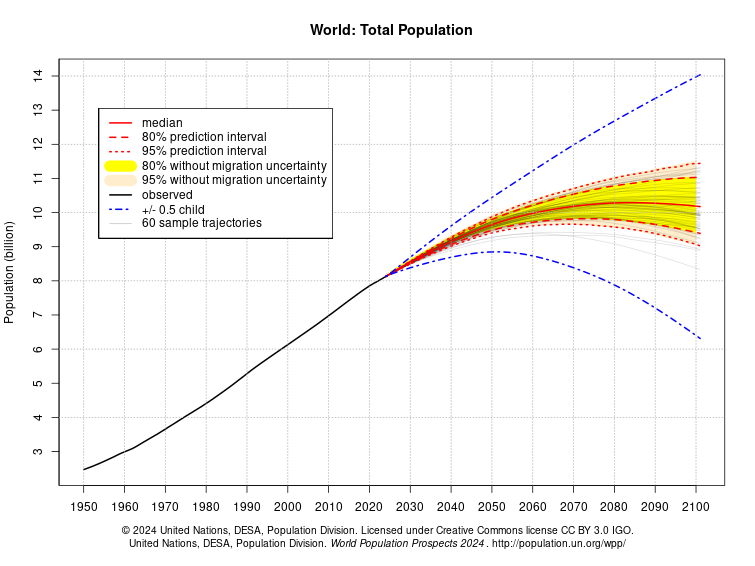
    The frequency of adults without living children has not sunk much. It is rather those who have more than one or two children who get more common. So the moral question is rather if it is selfish to have few children.
    One important reason for fewer children is that the interest and engagement for parents and grandparents is shrinking.
    Earlier it was selfish to have some children to be taken care of when becoming old and the hope to use them as a tool to keep some control of property.

    1. gaiabaracetti Avatar

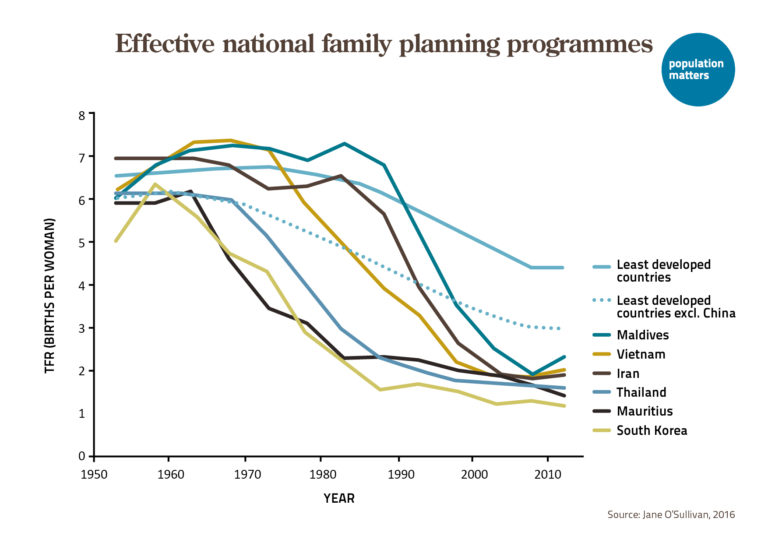
      Do you have any data to support this? Because everything I’ve seen suggests that there are more childless/childfree adults, and that the interest of parents is not shrinking (that of grandparents, in my experience, might be, for a variety of reasons). Also, where did you get that people with many children are more common? Fertility is decreasing pretty much everywhere.

      1. Philip Cafaro Avatar

        Here in the US, there appears to be a significant increase in childlessness. According to a 2025 study: “Research from the University of New Hampshire reports that in 2024 there were 5.7 million more childless women of prime child-bearing age than expected given prior patterns—a significant jump from 2.1 million in 2016 and 4.7 million in 2022. This shift in fertility patterns has contributed to 11.8 million fewer births than expected in the past 17 years.”

        https://www.unh.edu/unhtoday/news/release/2025/09/15/study-shows-number-childless-women-us-continues-rise

      2. Dag Lindgren Avatar

        The report given by Cafaro says “childless rates increased only modestly among women in their 30s.” and thus probably still more “modest woman >35. But I agree that it seems more the interest of grandparents which is decreasing. I meant that people with many children has been a major reason for population growth and these are now shrinking so we see the end of population growth.

      3. Philip Cafaro Avatar

        Dag, sure, in country after country most people have stopped having more than two children, and that’s slowed and then stopped native-driven population growth. In many developed countries, politicians have increased immigration levels to keep national populations growing.

        But a more recent development is larger percentages of people choosing to forego children altogether. If these trends continue, this could become a significant factor in driving human numbers lower. Not just ending but reversing population growth.

  6. Jan van Weeren Avatar

    Brilliant essay, Gaia. Well written. Thank you.

  7. David Polewka Avatar

    Are Declining Birthrates Really a Problem?
    LETTERS, March 8, 2026, New York Times
    To the Editor:
    Re “Birthrate Falls as More Wait to Be Parents” (front page, Feb. 28):
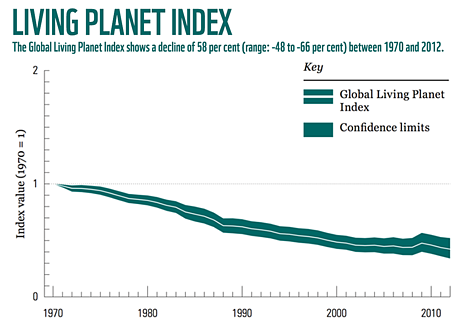
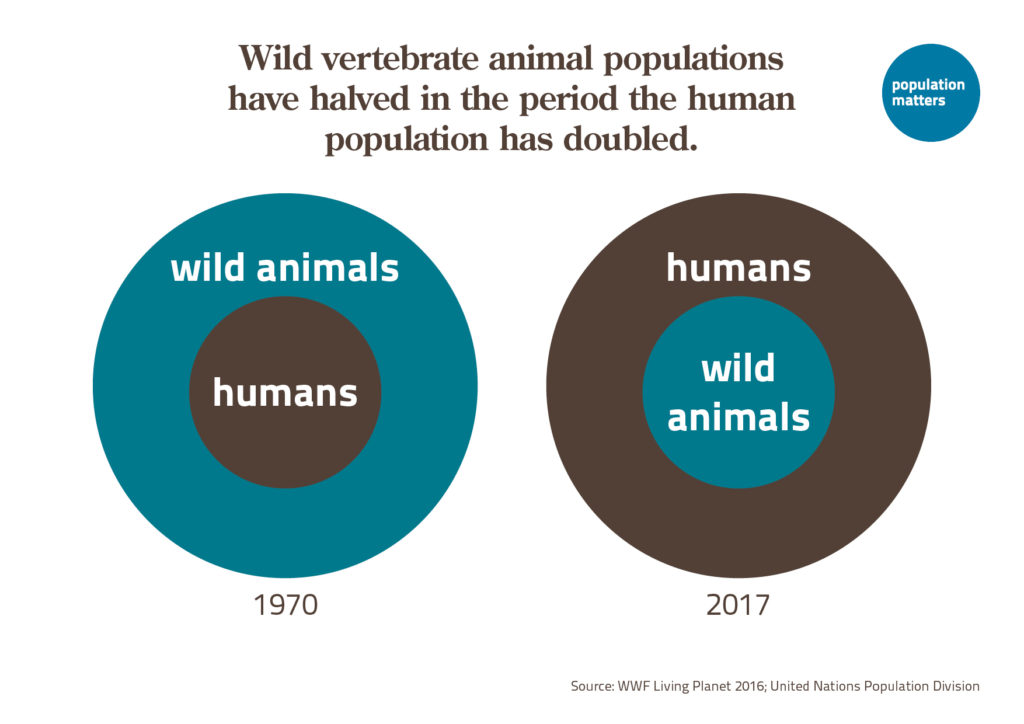
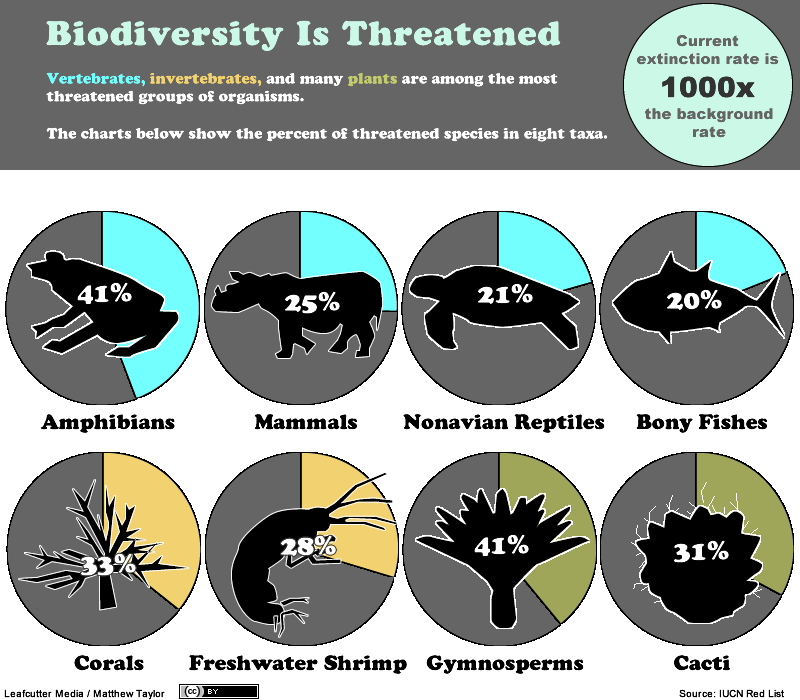
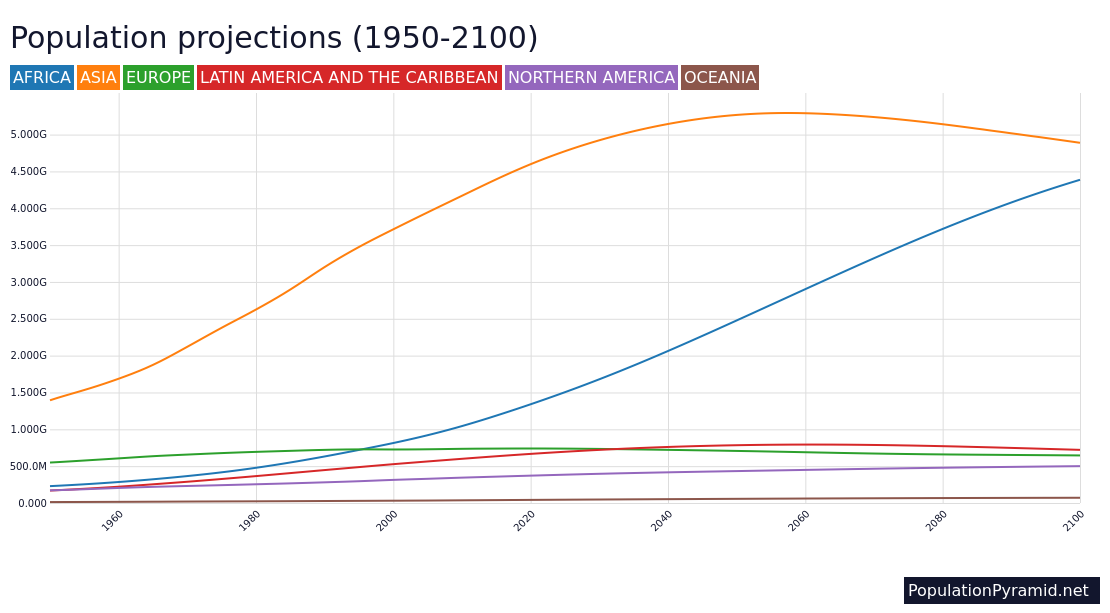
    For decades we worried about teenage pregnancy, unstable households and children born into economic precarity. Now many young women are choosing to wait until they feel ready — financially, emotionally, relationally. That’s not social decline. That’s agency. There’s another dimension to this conversation that rarely gets mentioned: the planet itself. The world’s population has more than doubled since 1960. During that same period, global wildlife populations, according to the World Wildlife Fund and other sources, have fallen by nearly 70 percent. Forests, coral reefs and freshwater systems are under severe strain. We are living in what scientists call a sixth mass extinction. In that context, a gradual decline in birthrates — especially when driven by education, opportunity and access to contraception — may not be a crisis. It may be a stabilizing force. The goal should not be more births at all costs. It should be children born into conditions of security, love and ecological stability. A world where families can thrive without pushing planetary systems past their limits. We can support young people who want families — through housing policy, paid leave, child care — while also recognizing that a smaller human footprint over time may give future generations something far more valuable: a living planet. Demographic change is not automatically decline. Sometimes it is adaptation.
    —-Mary Beth Fielder, Los Angeles
    ——————
    To the Editor:
    This article is an excellent piece of reporting on a demographic shift that is often framed as a looming economic crisis. The core concern is that a shrinking work force will leave us without enough human capital to sustain our society. However, I find it impossible to reconcile this alarm with the narrative found in many other recent articles about a potential future in which A.I. and robotics render human labor obsolete, even for highly skilled white-collar work. If we are truly headed toward a future in which A.I. and robots can do everything from coding to elder care, then perhaps a declining birthrate should be viewed as a relief rather than a catastrophe? Are we facing a shortage of workers or a surplus of humans? We cannot effectively plan for a future that is simultaneously overpopulated and understaffed.
    —-Frank Rimalovski, Maplewood, N.J.
    ——————–
    To the Editor:
    This article overlooks a key portion of the population that is uniquely affected: recipients of Deferred Action for Childhood Arrivals. DACA has been transformative for more than half a million recipients, enabling them to work, obtain an education and contribute to their communities. Yet the program’s uncertain status has created a chilling effect on immigrants’ decisions to have children. This fact is generally absent from conversations among policymakers aiming to reverse the declining birthrate. DACA recipients are already rooted in American communities, and many want to start families here, but they cannot freely make those decisions when their futures are uncertain. Public discussions around family planning in the United States should include ways to eliminate these barriers to starting families that immigrants face.
    —-Liliana Ramirez, La Puente, Calif.
    The writer is an anthropologist and the American Council of Learned Societies narrative research specialist at the Justice Action Center.
    ———————-
    To the Editor:
    There are any number of reasons to defer or forgo having and raising children. The cost of living is significantly higher. The failure to address climate change, the rollback of environmental protections, rapacious capitalism, political turmoil and the chaos of President Trump’s administration (which the right will institutionalize after he has moved on) create doubts that a child born today will have a livable planet — not to mention be able to earn a living in an A.I. economy. The hypocrisy of conservative groups like the Heritage Foundation, which glorify childbirth while gutting health care and social programs that families need to care for children in order to slash taxes for the most privileged members of society, is revolting. What is more selfish? Restraining an urge to reproduce or having children for self-actualization on an earth already beyond its carrying capacity? People of reproductive age are wise to give careful consideration to their choice to reproduce. In this day and age, exercising the right to limit family size is a responsible choice.
    —-Gordon Garmaise, Montreal

    https://www.nytimes.com/2026/03/08/opinion/declining-birthrates.html

  8. gaiabaracetti Avatar

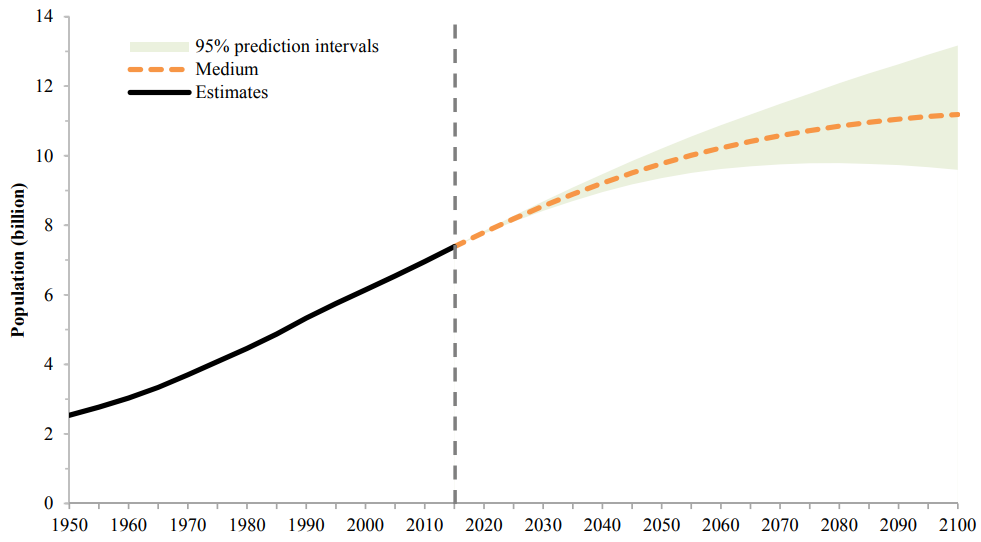
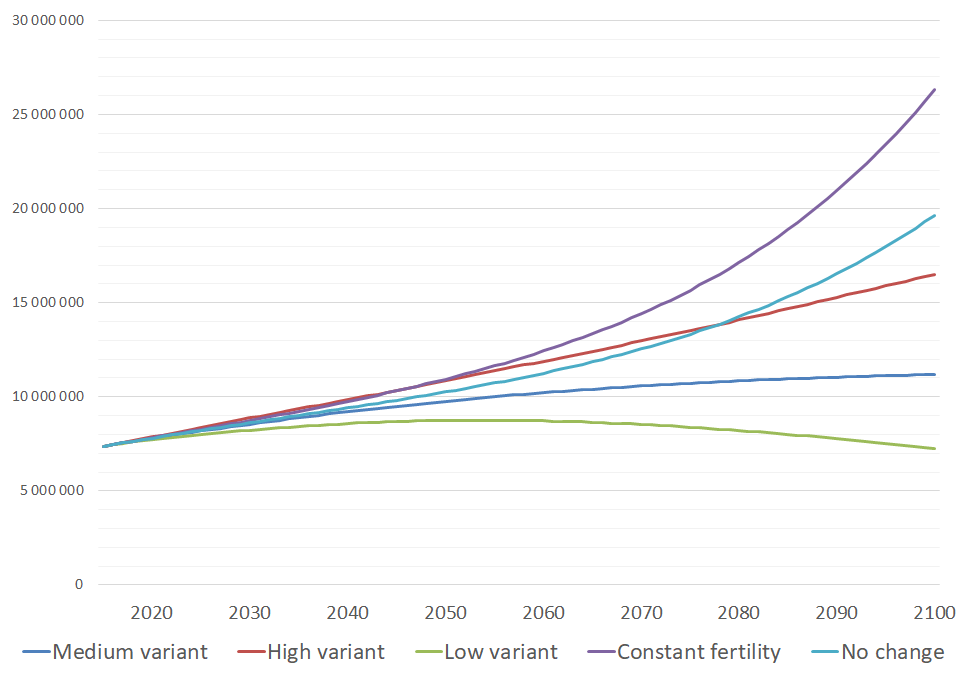
    Dag, we are not seeing the end of population growth yet. The global total fertility rate is still above replacement, unfortunately.

    1. Philip Cafaro Avatar

      True. And ending population growth will not be sufficient to create sustainable societies — we need significantly lower populations.

Leave a Reply

This site uses Akismet to reduce spam. Learn how your comment data is processed.

NOTE: Comments with more than one link will be held in wait and will only become visible on the site after an admin has approved it.

Explore the content and topics covered by TOP, search here

Blog categories
Gallery of infographics – Learn more about overpopulation and environment

Discover more from The Overpopulation Project

Subscribe now to keep reading and get access to the full archive.

Continue reading